














Headquarters:3rd Floor, Haiguo Jiaye Sci-Tech Park, Haidian District, Beijing, China

We use cookies to enhance your browsing experience and serve personalized content.
Reject ALL
Accept ALL


2026-03-26
Accurate drone height measurement is essential for stable flight, safe landings, and reliable autonomous operation. Two common methods are barometric altitude sensing and LiDAR distance measurement. Each method approaches the task differently, and choosing the right one depends on how and where your drone will operate. At Benewake, we work with LiDAR technologies that provide precise real-time distance data to help drones maintain their altitude relative to the ground.
What Barometric Altitude Tells You
Barometric altitude sensing estimates height by detecting small changes in atmospheric pressure as a drone ascends or descends. This technique has been widely used in aviation and many commercial drones because it is lightweight and cost-effective. The flight controller interprets changes in air pressure to estimate how far the drone is above a reference point, usually its takeoff location. While this method works well for general navigation and long flights, it has limitations. Atmospheric pressure can fluctuate due to weather, temperature shifts, or humidity changes, which can cause altitude readings to drift over time. For coarse altitude awareness and basic flight control, barometric sensors can be useful, but their readings may not be consistent enough for precise low-altitude tasks.
How LiDAR Distance Measurement Works
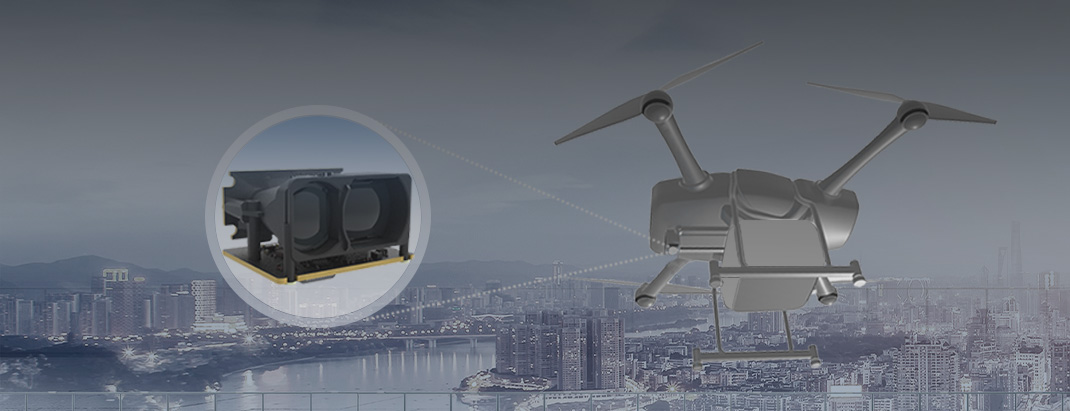
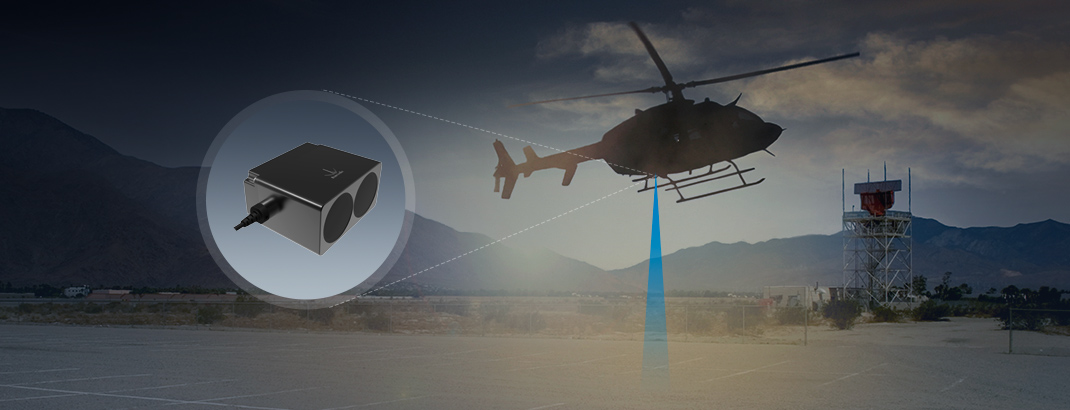
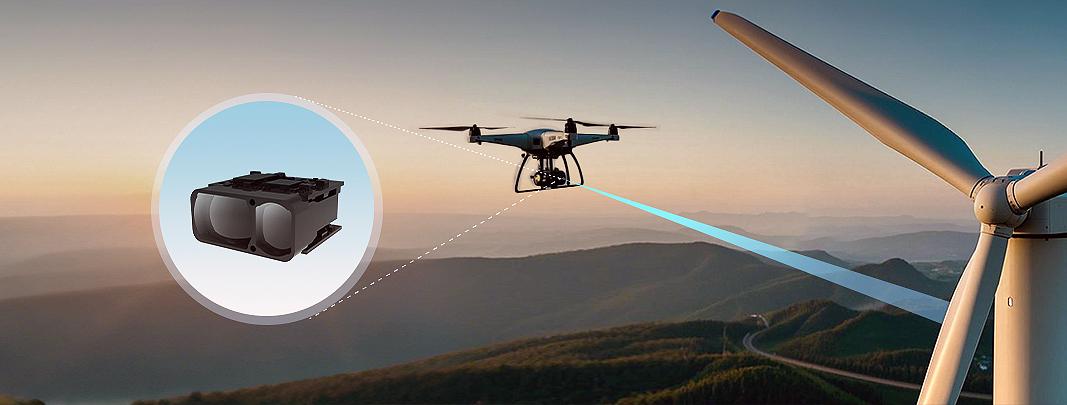
In contrast, LiDAR for drone altitude control measures the actual distance from the drone to the ground below by emitting laser pulses and timing how long it takes for the reflected light to return. This method, known as time-of-flight measurement, delivers direct distance data that reflects the true height above ground level (AGL). Because LiDAR measurement is based on light pulses rather than air pressure, it remains largely unaffected by changes in weather or atmospheric conditions. This attribute makes LiDAR especially helpful when flying over varied terrain or during critical operations like landing or precision mapping.
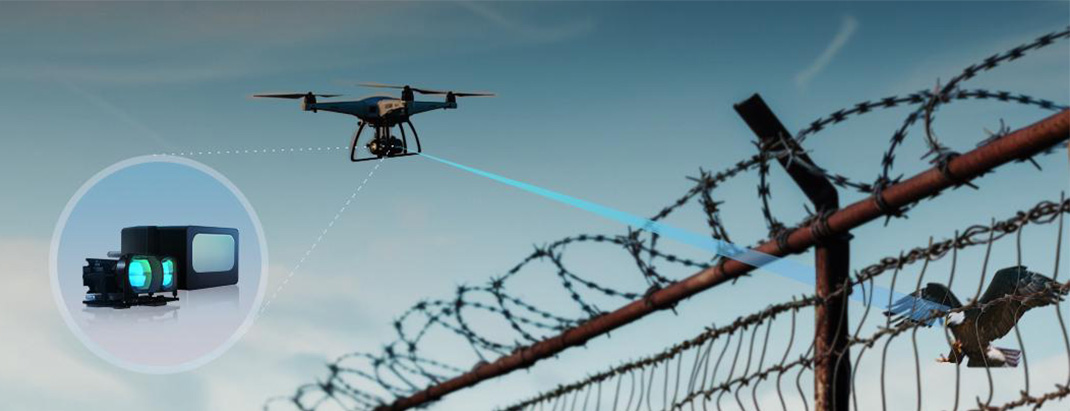
LiDAR sensors from Benewake can produce frequent and accurate height measurements that support altitude control even in challenging environments, such as over vegetation, uneven ground, or close to obstacles. These measurements feed directly into the flight controller's control loops, helping maintain a consistent height above the surface.
Comparing Use Cases for Drone Flight
Barometric sensing remains a practical choice for estimating general altitude relative to takeoff and for drones operating at higher levels where precise ground distance is less critical. However, when you need consistent drone height measurement above the ground surface, especially during terrain following, low-altitude inspection, or precision landings, LiDAR distance measurement provides real-time, accurate data that enhances flight stability and safety.
Conclusion
Understanding the difference between barometric altitude and LiDAR distance highlights how each method contributes to flight control. While barometric sensors estimate height changes based on pressure, LiDAR altitude measurement offers direct distance readings to the ground, reducing environmental influence and improving accuracy near the surface. At Benewake, our LiDAR solutions support reliable altitude data for diverse drone applications and help improve control responsiveness where it matters most.
If you want to explore the right altitude sensing technology for your drone project, check out our Benewake LiDAR products and find the best fit for your flight needs.