




































Headquarters:3rd Floor, Haiguo Jiaye Sci-Tech Park, Haidian District, Beijing, China

We use cookies to enhance your browsing experience and serve personalized content.
Reject ALL
Accept ALL


2026-01-07
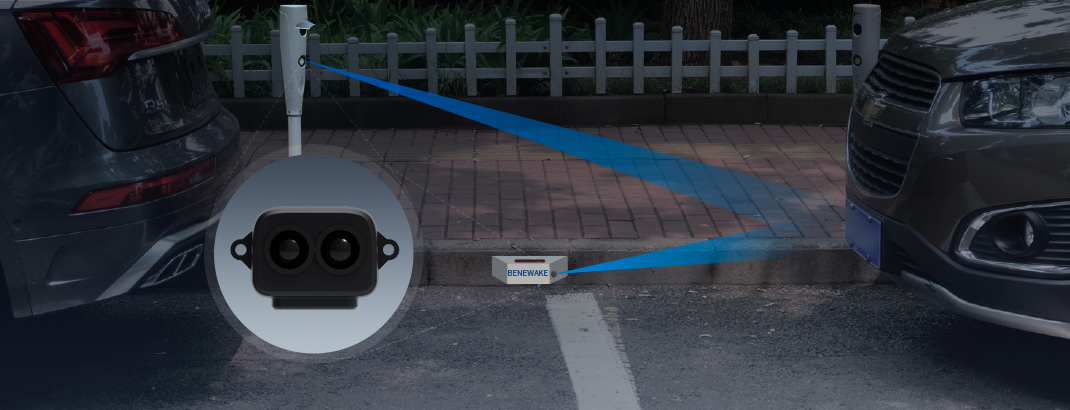
In the modern era of urban mobility, we often encounter systems that help drivers locate available parking spots efficiently. One crucial aspect we focus on in our work is understanding the reliability of parking space detection systems. As a company dedicated to providing advanced LiDAR solutions, Benewake emphasizes accurate monitoring and measurement, minimizing errors that can impact user experience. Among the most common challenges are false positives and false negatives, which can affect the efficiency and trustworthiness of parking management systems.
Understanding False Positives
A false positive occurs when a parking space detection system incorrectly identifies an occupied space as available. From our experience at Benewake, these errors often arise due to sensor limitations or environmental factors such as shadows, reflections, or temporary obstructions. When a system reports an empty parking spot that is actually taken, it can lead to driver frustration and inefficiencies in parking lot management. We pay special attention to the placement and calibration of our sensors to reduce the occurrence of false positives, ensuring that drivers have reliable information to make decisions quickly and confidently.
Addressing False Negatives
Conversely, a false negative happens when a system fails to recognize an available parking space. We have observed that false negatives are often caused by sensor misalignment, interference from other vehicles, or complex parking layouts. At Benewake, our solutions are designed to enhance detection accuracy, providing precise data even in challenging conditions. By improving the detection algorithms and leveraging high-resolution LiDAR technology, we aim to minimize instances where a free spot is missed, which is equally important for maintaining smooth traffic flow and enhancing user satisfaction.
Importance of Accurate Detection
The distinction between false positives and false negatives is vital for the efficiency of parking space detection solutions. We believe that understanding these issues allows facility managers to optimize parking lot operations and improve user experience. Our approach at Benewake combines advanced sensing technology with intelligent analysis to deliver reliable results. By reducing detection errors, we support smoother vehicle movement, reduce congestion, and ultimately contribute to safer and more efficient urban environments.
Conclusion
In summary, false positives and false negatives are central considerations in the design and implementation of parking space detection systems. At Benewake, we continuously refine our products to address these challenges, ensuring accurate and dependable detection in various parking scenarios. Our solutions provide valuable insights for both drivers and parking facility operators, reinforcing our commitment to delivering high-quality LiDAR technology. Understanding these detection errors helps us improve performance and offer practical solutions tailored to modern urban mobility needs.