














Headquarters:3rd Floor, Haiguo Jiaye Sci-Tech Park, Haidian District, Beijing, China

We use cookies to enhance your browsing experience and serve personalized content.
Reject ALL
Accept ALL


2026-03-05
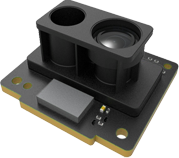
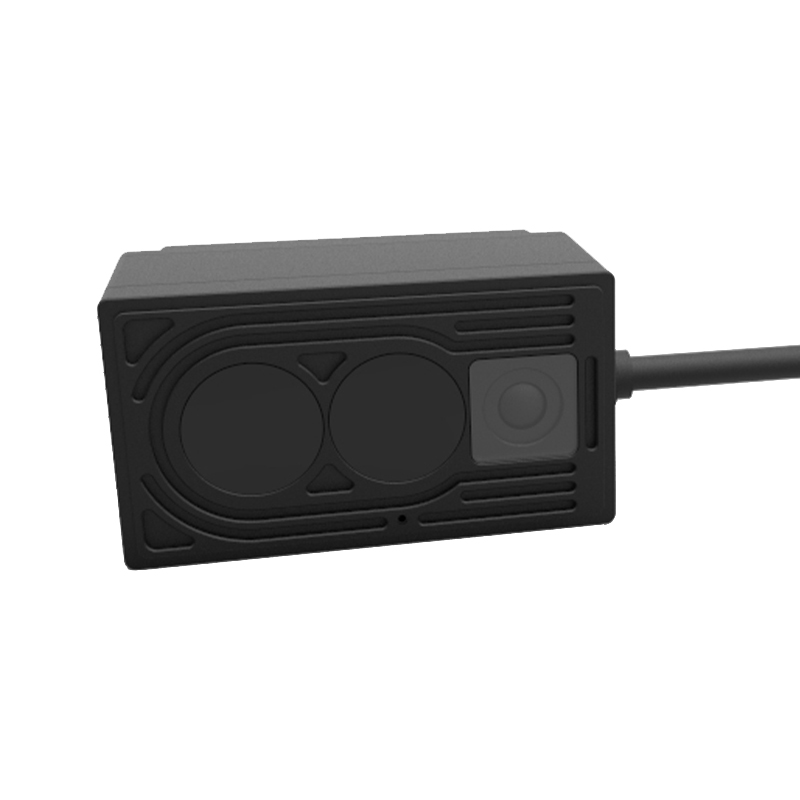
When designing systems that rely on distance measurement, knowing the right detection range for your sensors is essential. At Benewake, we focus on providing solutions that balance precision, efficiency, and adaptability. The TF Luna is a compact, cost-effective LiDAR sensor that delivers reliable distance measurements for short-range applications. With a detection range from 0.2 to 8 meters and a frame rate up to 250 Hz, the TF Luna offers flexibility for projects that need accurate proximity sensing without excessive hardware complexity.
Choosing the Right Range for Your Application
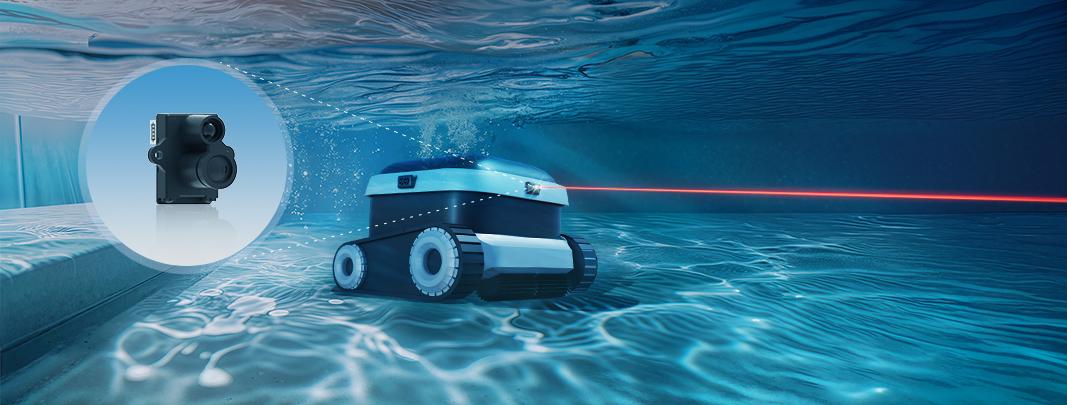
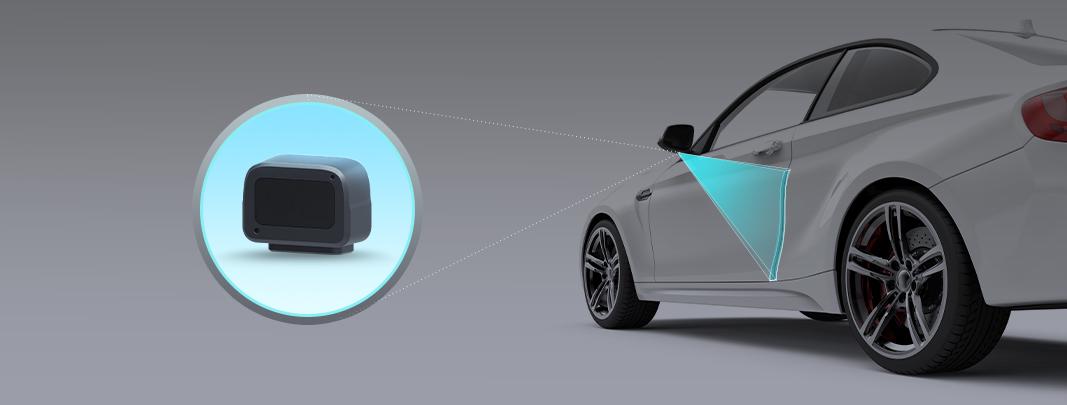
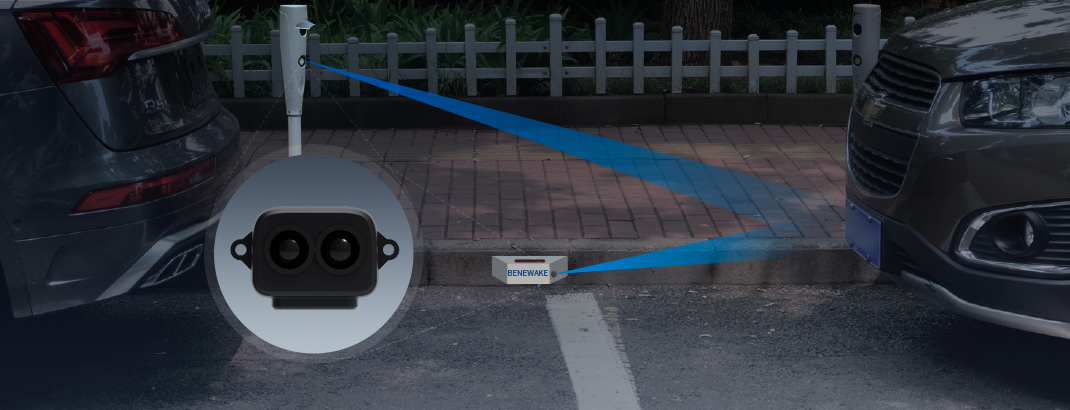
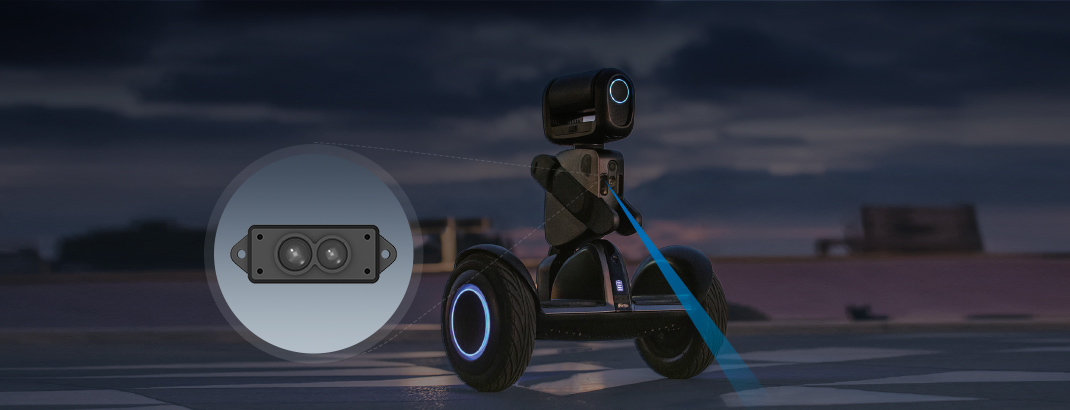
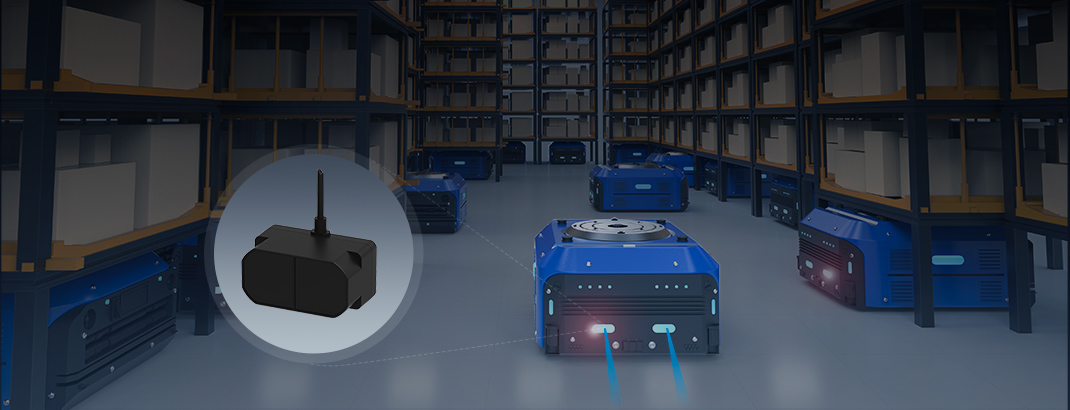
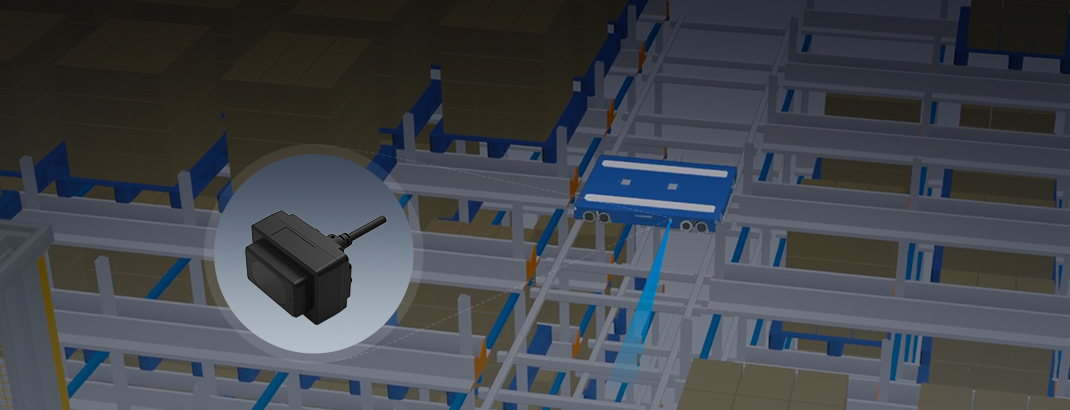
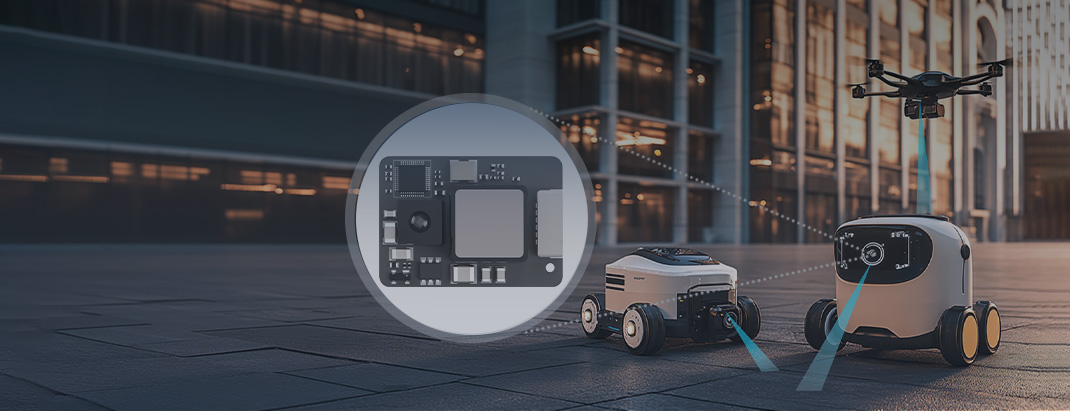
Many engineers ask, how far should a proximity sensor really detect? The answer depends on your application. For indoor automation, obstacle detection for small robots, or object avoidance in drones, a sensor like the TF Luna provides enough range to respond quickly and safely. For outdoor robotics or longer-range applications, other Benewake sensors may be more suitable, but for distances within a room or a small operational area, overextending sensor range can be unnecessary and sometimes even counterproductive. Selecting a sensor with an appropriate minimum and maximum detection distance ensures accurate readings while minimizing power consumption and processing requirements.
Benefits of Accurate Short-Range Detection
Using a sensor with a well-matched detection range like the TF Luna reduces false readings and improves system responsiveness. Short-range sensors allow for faster sampling rates and smoother integration into real-time control systems. Whether you are building autonomous vehicles, smart home devices, or interactive robots, having a sensor that accurately detects objects within its optimal range is critical. Benewake's sensors are designed to deliver reliable measurements while keeping the form factor small and power consumption low.
Optimizing Sensor Placement
Beyond selecting the right detection range, placement plays a crucial role in performance. Mounting a TF Luna at the correct height and angle ensures that the sensor detects objects consistently across its operational range. Proper alignment helps avoid interference from nearby surfaces or reflections that can distort distance readings. In practice, testing sensor positions in your specific environment often reveals the most efficient setup for both detection accuracy and system stability.
Conclusion
The minimum detection range you need for proximity sensors depends on your specific application and environment. Short-range sensors like the TF Luna by Benewake offer reliable measurements, high sampling rates, and efficient power use for projects where distances up to 8 meters are sufficient. Choosing the right sensor range, combined with proper placement, ensures that your system performs efficiently and accurately. Explore our range of LiDAR and distance sensors to find the solution that fits your design needs.
Experience the precision and reliability of Benewake sensors for your next project and see how optimal detection ranges can enhance performance and safety.