














Headquarters:3rd Floor, Haiguo Jiaye Sci-Tech Park, Haidian District, Beijing, China

We use cookies to enhance your browsing experience and serve personalized content.
Reject ALL
Accept ALL


2026-03-05
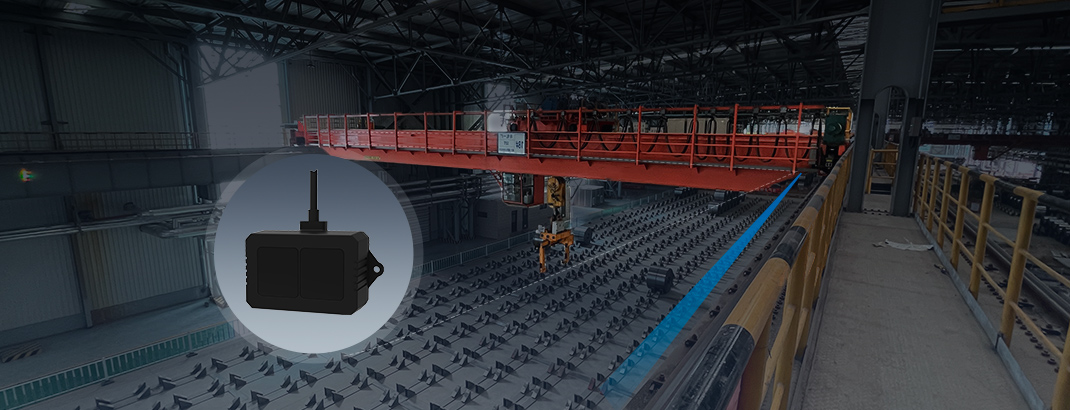
Safety is a top priority on any construction site, and for cranes, being aware of obstacles from a distance is essential. A crane's load can swing unpredictably, and delays in detection can lead to serious accidents or costly equipment damage. That's why long-range detection is crucial for effective anti-collision systems. With the Benewake TF03, cranes can achieve detection ranges exceeding 180 meters, providing early warning and enough reaction time to prevent collisions. We focus on reliability, precision, and consistency, which are vital when planning sensor coverage for large-scale industrial operations.
Why Choose the Benewake TF03
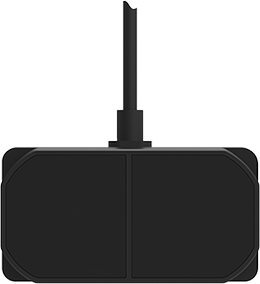
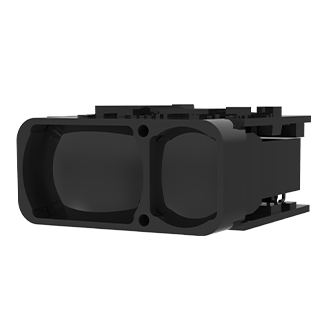
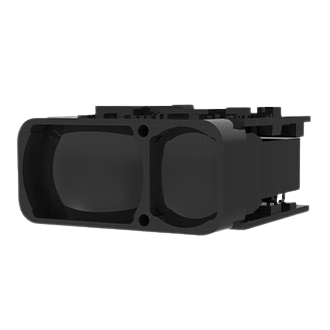
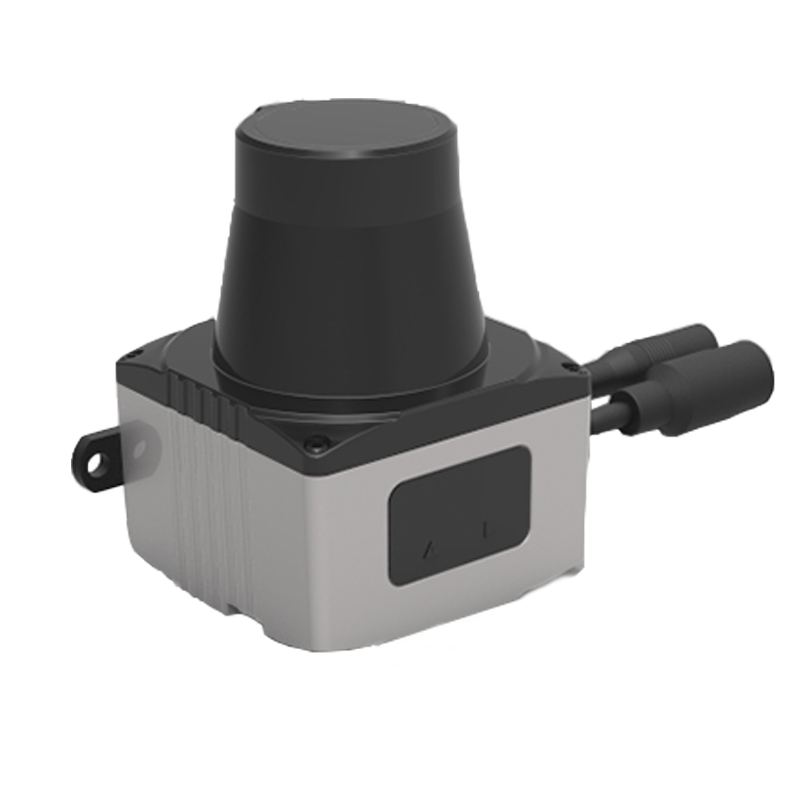
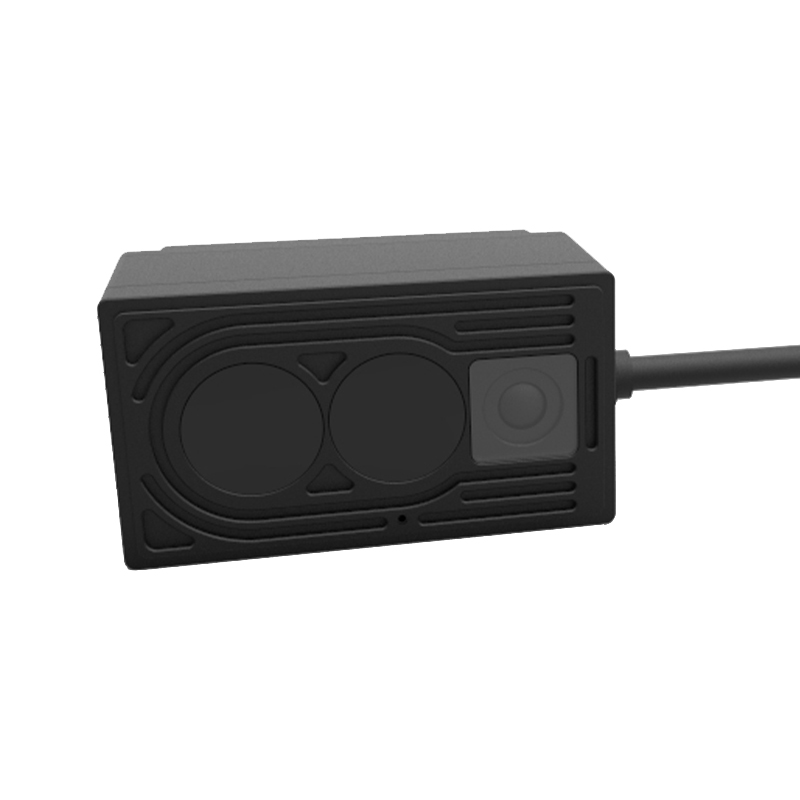
The Benewake TF03 is an advanced Benewake lidar sensor designed to meet the demands of modern industrial safety. Its compact size allows flexible installation, while its IP67-rated housing ensures the sensor performs reliably in harsh outdoor conditions. The TF03 provides multiple interface options such as UART, CAN, RS-232, and RS-485, making integration into existing control systems straightforward. It operates at a high frame rate, offering precise real-time measurements with low power consumption, below 1 watt. These features make it ideal for cranes that need continuous long-range detection without sacrificing energy efficiency or accuracy.
Key Considerations for Sensor Placement
Sensor placement is just as important as sensor selection. To maximize safety, the Benewake lidar sensor should cover the full operational range of the crane, including the swing path of the load. Multiple TF03 units may be required on larger sites to eliminate blind spots. We recommend planning sensor layout carefully, considering both horizontal and vertical detection zones. Overlapping detection fields enhance coverage and provide redundancy in case one sensor is blocked or temporarily impaired. Thoughtful placement ensures that obstacles are detected promptly, giving operators sufficient time to react.
Integrating Lidar into Crane Safety Systems
Integrating Benewake TF03 into crane control systems provides actionable data in real-time. Lidar technology accurately measures distances and identifies obstacles, triggering automated warnings or operational adjustments when necessary. By combining high-frequency scanning with robust hardware, cranes can operate more efficiently without compromising safety. Operators benefit from continuous monitoring and clear situational awareness, which reduces the risk of accidents even in busy or complex construction environments.
Optimizing Long-Range Detection
Detecting obstacles at 100 meters or more is particularly important for large cranes, where load swings can extend far from the base. The Benewake TF03 offers configurable detection zones, allowing operators to adjust sensitivity according to site requirements. Its long-range capability ensures that even distant objects are detected early, enabling proactive safety measures. For industrial operators, this means fewer interruptions and more confidence in daily crane operations.
Conclusion
Choosing the right sensor and detection range is fundamental to crane safety. The Benewake TF03 provides long-distance coverage, durable construction, and flexible integration options, making it an effective choice for anti-collision systems. Using this Benewake lidar sensor, operators gain a clear view of their surroundings, minimizing the risk of collisions and improving overall site safety.
Discover how the Benewake TF03 can enhance your crane safety setup. Visit our website to explore its specifications and learn how Benewake sensors can help you maintain a safer work environment.