














Headquarters:3rd Floor, Haiguo Jiaye Sci-Tech Park, Haidian District, Beijing, China

We use cookies to enhance your browsing experience and serve personalized content.
Reject ALL
Accept ALL


2026-03-17
At Benewake, we understand the critical balance between weight and range in the realm of drone LiDAR sensors. Among our offerings, the TFA170-L LiDAR stands out as a prime example of how these elements intertwine to enhance drone performance. In this article, we will explore this trade-off and how our engineering efforts at Benewake have addressed it, ultimately benefiting users in various applications.
Understanding LiDAR for Drones
LiDAR, or Light Detection and Ranging, is a pivotal technology that allows drones to gauge distances accurately by sending laser pulses and measuring their returns. In drone applications, precision and efficiency are paramount. The weight of LiDAR sensors is crucial, as every gram affects flight time and maneuverability. Meanwhile, the range, how far these sensors can detect, determines the effectiveness of the drone in various missions.
The Significance of the TFA170-L LiDAR
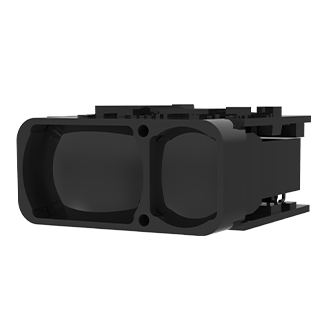
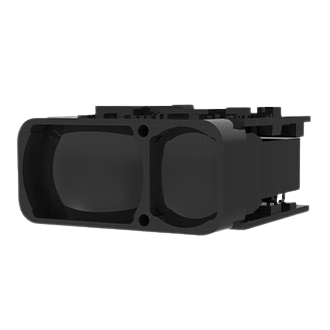
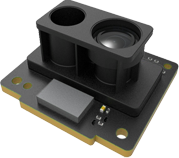
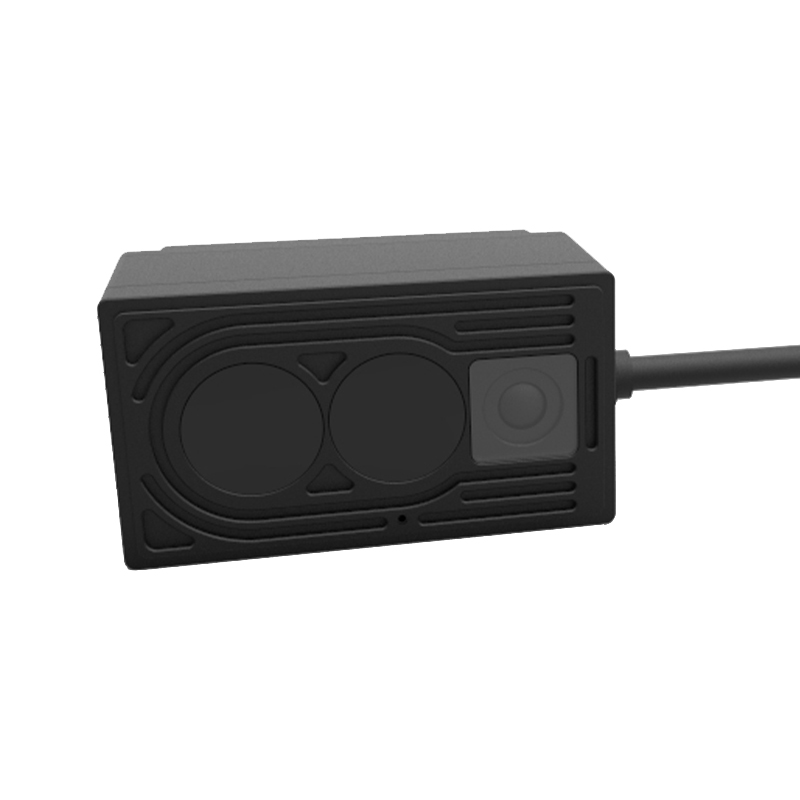
The TFA170-L LiDAR sensor is a testament to our commitment to creating products that meet the needs of modern drone technologies. Weighing in at a mere 10 grams, the TFA170-L provides a substantial detection range of up to 170 meters. This balance enables drones to operate effectively without the burden of excessive weight, making it suited for extended missions and complex tasks.
By optimizing the optical design and operational modes of the TFA170-L, we have created a sensor that allows users to adjust parameters according to their specific needs. This adaptability is vital for industries such as autonomous mobility, construction, and environmental monitoring, where varying conditions require tailored approaches.
The Trade-off: Weight vs. Range
When we design LiDAR sensors like the TFA170-L, we remain keenly aware of the inherent trade-offs between weight and range. A heavier sensor may provide more robust capabilities but could shorten flight times or limit the drone's operational envelope. Conversely, a lightweight sensor, like the TFA170-L, can extend flight capabilities while still providing useful range and accuracy.
Through extensive research and engineering, we have found that optimizing the materials and the sensor's architecture results in a significant advantage. Our lightweight design not only enhances flight times, by approximately six seconds for every gram reduced, but it also promotes the potential for more complex drone applications.
Real-world Applications of TFA170-L
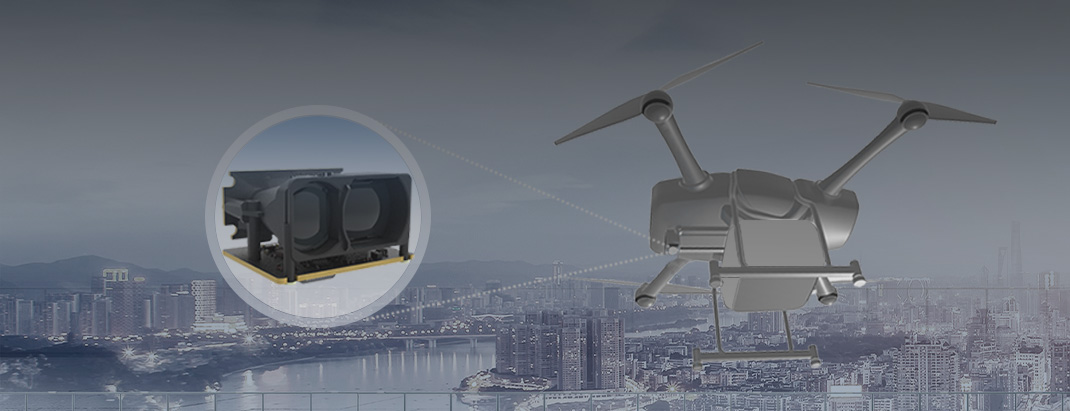
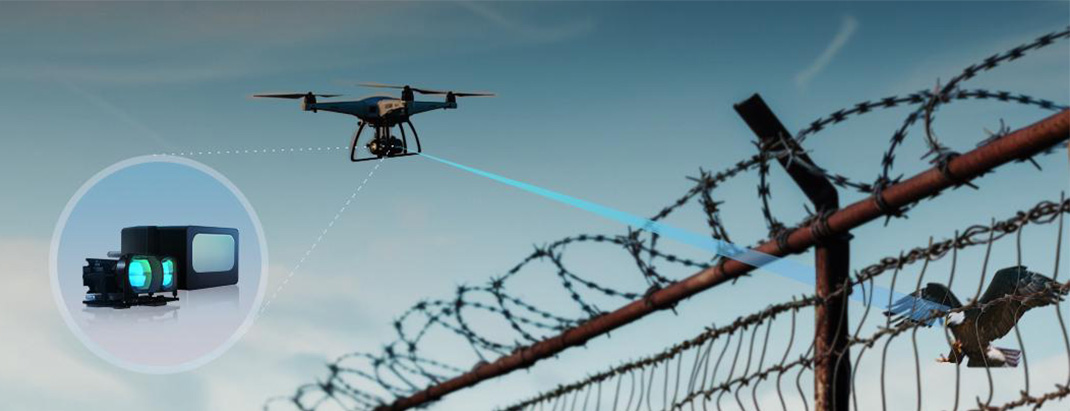
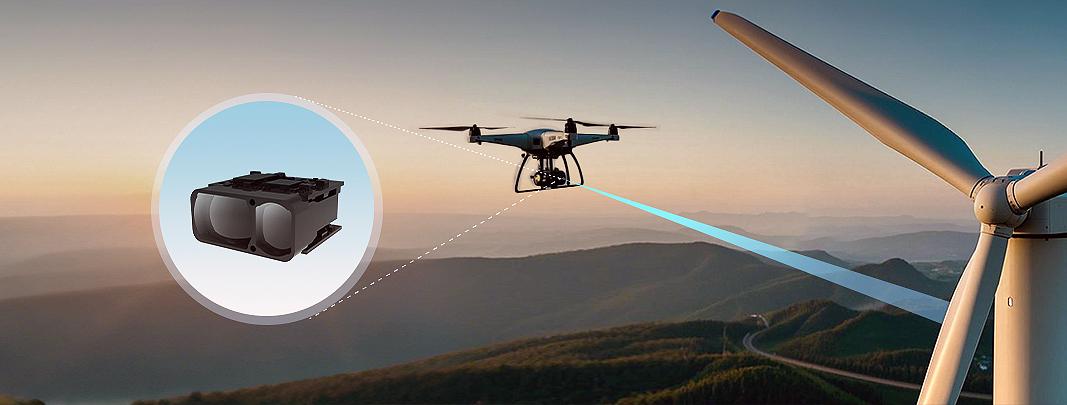
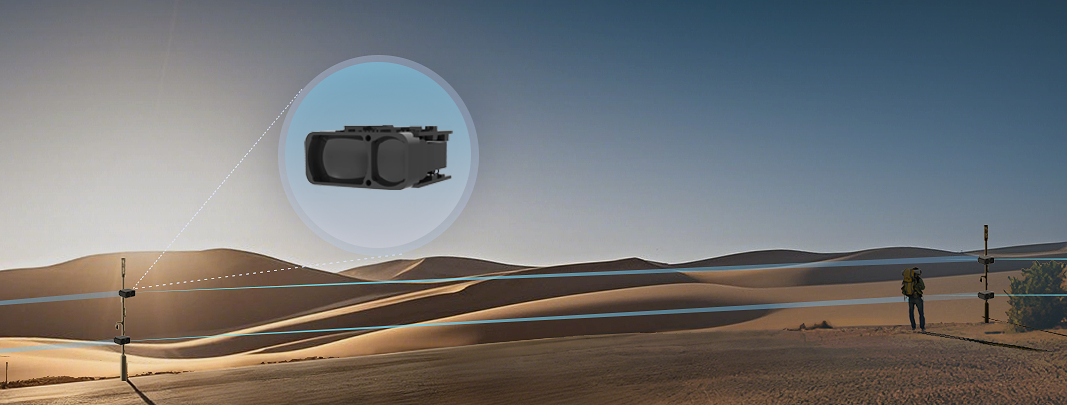
The versatility of the TFA170-L LiDAR sensor enables it to cater to several applications, including autonomous drones for delivery, mapping, and agricultural monitoring. In each of these scenarios, the balance of weight and range becomes critical. The sensor's efficiency ensures that drones can navigate their environment effectively while collecting accurate data over substantial distances.
For businesses and developers, integrating the TFA170-L into their drone systems allows them to pursue innovative solutions without the constraints imposed by outdated, heavier equipment. This not only enhances operational efficiency but also fosters a culture of exploration and advancement.
Conclusion
At Benewake, our purpose is to provide high-quality Benewake LiDAR solutions that strike a balance between weight and range. The TFA170-L LiDAR sensor exemplifies our dedication to innovation and excellence. As industries evolve and demand more from aerial technologies, Benewake remains committed to delivering reliable and effective solutions.
If you're interested in learning more about how the TFA170-L LiDAR sensor can enhance your drone applications, feel free to reach out to us. Together, let's explore the future of drone technology.