














Headquarters:3rd Floor, Haiguo Jiaye Sci-Tech Park, Haidian District, Beijing, China

We use cookies to enhance your browsing experience and serve personalized content.
Reject ALL
Accept ALL


2026-03-26
When selecting a lidar module for drone projects, the choices you make can shape how effectively your drone performs tasks like obstacle detection, terrain following, or altitude hold. At Benewake, we design Benewake lidar sensors that balance precision, range, weight, and integration flexibility to support a wide variety of aerial applications. In this article, we walk through the key factors to consider so you can match the right LiDAR module to your drone's mission.
Why LiDAR Matters for Drones
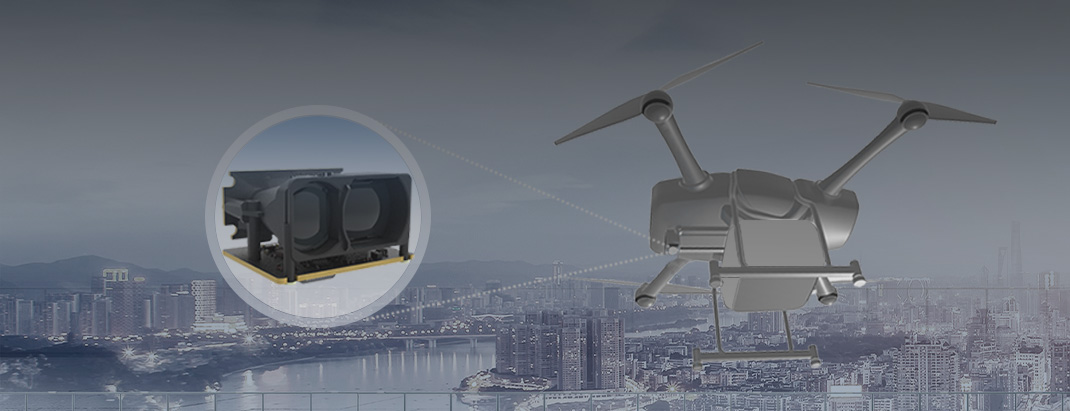
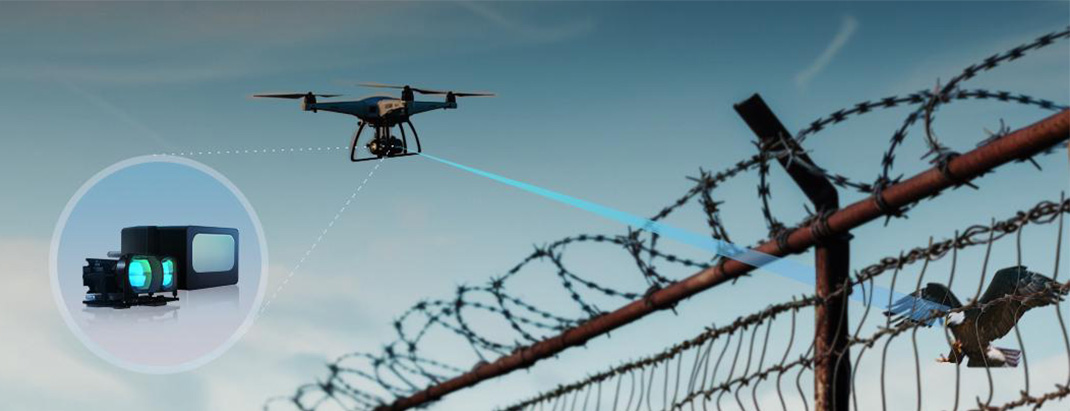
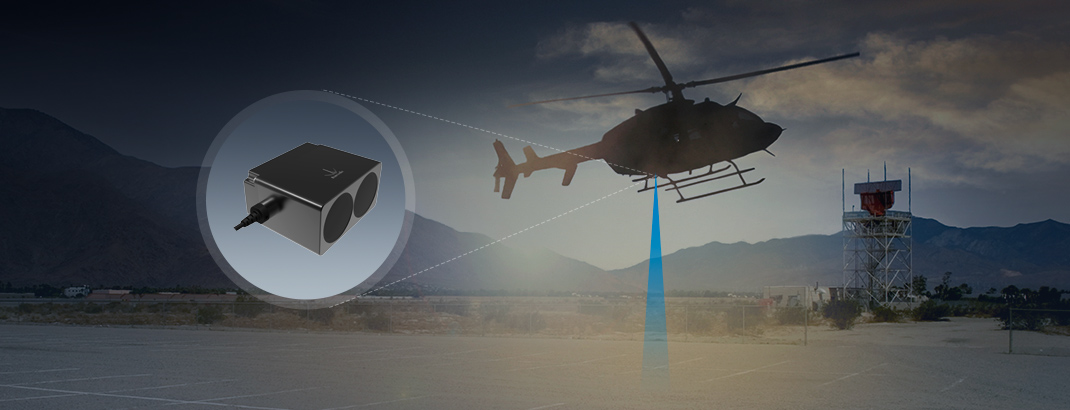
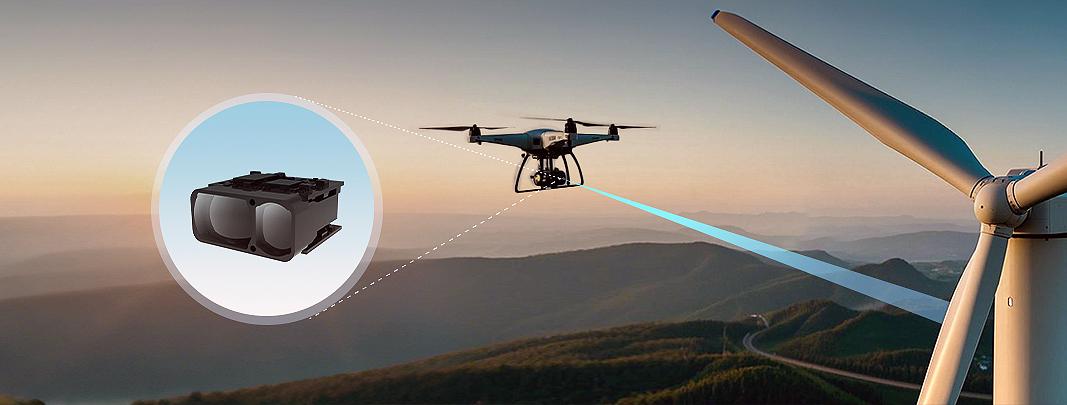
Drones increasingly rely on accurate distance sensing to navigate environments safely and reliably. Unlike barometric sensors that infer altitude changes or basic ultrasonic sensors that struggle in open air, LiDAR uses time-of-flight measurement to determine distances directly. This provides real-time range data that drones can use to maintain stable flight over varied terrain, avoid obstacles during autonomous missions, and support precise landings and takeoffs. LiDAR technology has become a core component in advanced UAV systems, especially where responsiveness and spatial awareness are priorities.
Key Factors in Choosing a LiDAR Module
When evaluating lidar modules for drone options, consider the mission profile and system constraints of your UAV.
First, think about detection range. For tasks like long-range surveying or high-altitude cruise control, a sensor with extended measurement capabilities is crucial. Certain Benewake LiDAR modules can operate over tens to hundreds of meters, offering visibility beyond what short-range sensors deliver.
Weight also plays a significant role in airborne applications. The payload capacity of small drones is limited, and heavier sensors can reduce flight time or require larger battery packs. This is why smaller, lightweight LiDAR modules are often preferred for compact drones or multi-purpose platforms. Many Benewake LiDAR sensors are designed with minimal weight in mind, making them practical choices for systems sensitive to load and power consumption.
Integration flexibility is another important factor. Different UAV platforms support various interfaces such as UART, RS-232, I²C, or CAN, while flight controllers like PX4 and ArduPilot include drivers for many LiDAR models. Choosing a LiDAR module that supports the right communication protocols simplifies integration with your drone's control architecture.
Exploring Your Options with Benewake
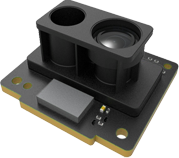
Benewake offers a range of LiDAR modules tailored to different drone needs. For close-range sensing and lightweight builds, compact modules provide accurate distance data with minimal impact on payload. For missions requiring broader coverage or higher resolution, longer-range sensors deliver reliable measurements across greater distances. Each module in the Benewake portfolio is built with consistent performance criteria, enabling precise and stable distance data in diverse operating environments.
Conclusion
Choosing the right LiDAR module for your drone application involves evaluating measurement range, weight constraints, and system integration requirements. A lidar module for drone platforms can significantly enhance sensing capabilities, offering real-time distance data that supports stable flight, obstacle avoidance, altitude control, and more. We invite you to explore the full range of Benewake lidar sensors, review detailed specifications, and contact our team to find the ideal solution for your next UAV project. Start your journey with Benewake lidar today.