














Headquarters:3rd Floor, Haiguo Jiaye Sci-Tech Park, Haidian District, Beijing, China

We use cookies to enhance your browsing experience and serve personalized content.
Reject ALL
Accept ALL


2026-09-02
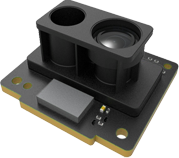
Benewake announced the launch of NOVA20, a fully solid-state near-field multi-point LiDAR. Designed for embodied-AI and mobile robots, NOVA20 is a near-field blind-spot-coverage LiDAR whose 20 detection channels form a 40° fan-shaped field of view, covering the robot’s close-range zone from 5 cm to 1 m ahead. Working alongside 360° rotating LiDARs that handle long-range scanning, NOVA20 gives robots a low-power, sunlight-tolerant near-field safety solution that can be distributed along the robot body.
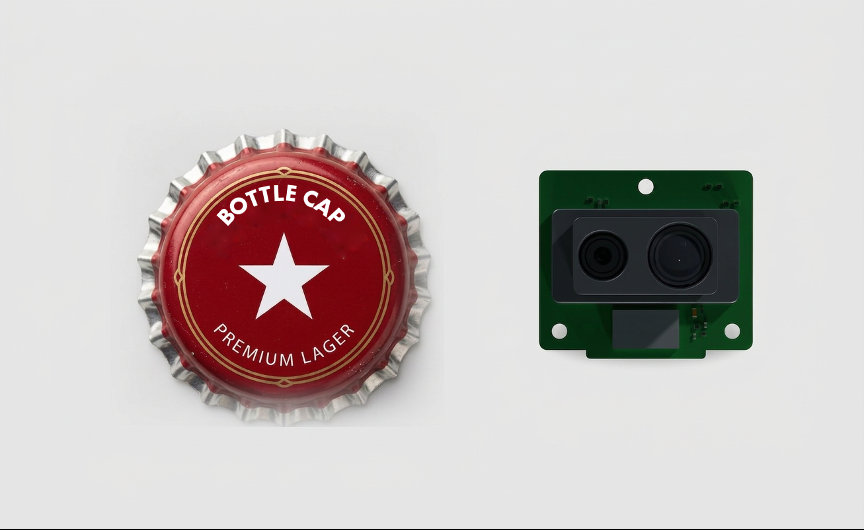
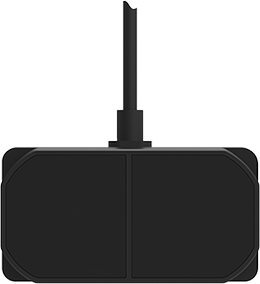
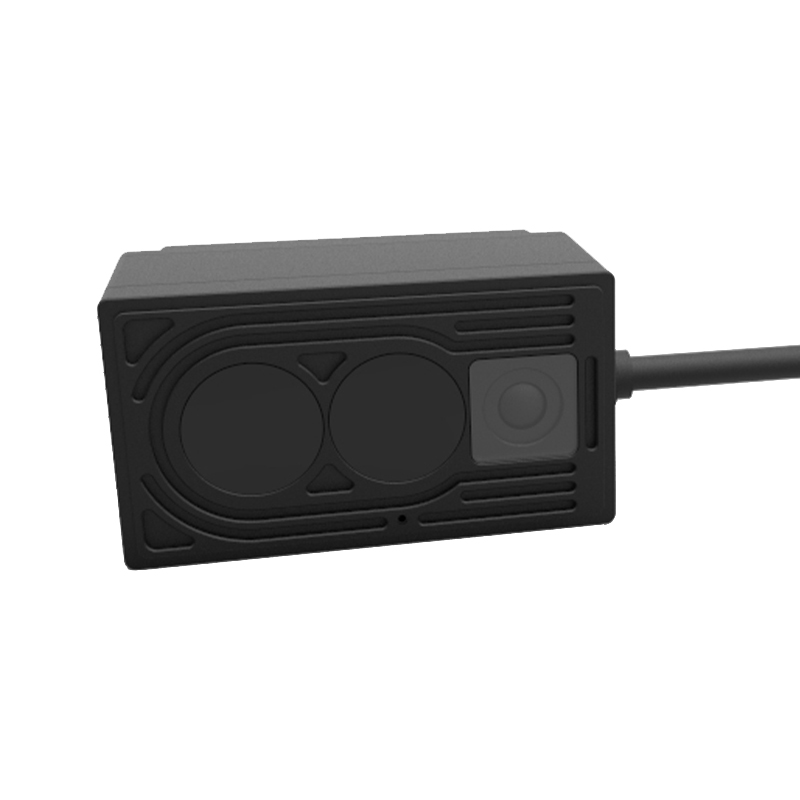
The Benewake NOVA20 fully solid-state near-field multi-point LiDAR (right), about the size of a beer bottle cap
With a fully solid-state design and no moving parts, NOVA20 is the size of a beer bottle cap (25 × 22 × 13 mm, typical), weighs less than 5 grams, and operates reliably in ambient light up to 100 klux with average power consumption below 1 watt.
The Embodied Robot Dilemma: “Great Long-Range Vision, Blind Within Arm’s Reach”
As embodied AI moves into real-world deployment, one fundamental problem is becoming impossible to ignore: the close-range safety zone within about one meter of the robot is exactly where today’s sensing solutions fall short. 360° rotating LiDARs scan far but leave a ring of blindness close to the body; head-mounted cameras are blocked by the robot’s own limbs and have a minimum focusing distance; ultrasonic sensors and infrared proximity switches offer too few measurement points and oversized blind zones; triangulation-based line-laser sensors fail almost entirely in outdoor sunlight; and common 3D array solutions generally struggle with crosstalk from highly reflective surfaces, bulky form factors, and high cost.
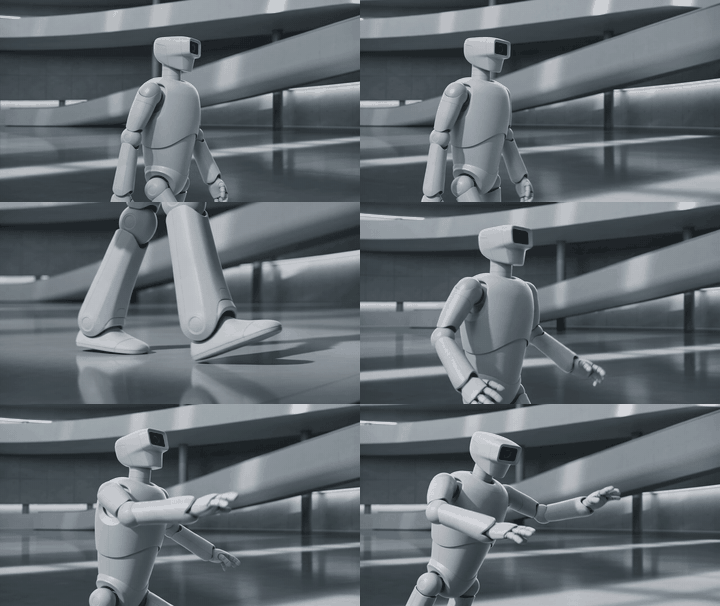
Near-field hazards such as step edges and side obstacles often sit outside the view of the robot’s main head camera
This is no niche issue. According to IDC, global humanoid robot shipments reached 18,000 units in 2025, and TrendForce expects worldwide shipments to exceed 50,000 units in 2026. As robots enter factories and commercial facilities at scale, guardrails and safety personnel cannot follow them everywhere—detecting people and obstacles in time, and slowing or stopping before contact, has become an essential capability.
At the same time, safety should not rest entirely on high-level models that can occasionally misjudge what they see. Even the strongest end-to-end model cannot reason about space occluded by the robot’s own body, and offloading high-frequency judgments such as “is something nearby, and how far” onto a model drains the robot’s limited compute, battery, and thermal budget. What the industry needs is a deterministic ranging path that is independent of high-level models and verifiable: the model handles understanding and planning, while low-level control slows, avoids, or stops accordingly. The updated ISO 10218 series (2025 edition) of industrial robot safety standards already incorporates collaborative safety capabilities such as Speed and Separation Monitoring (SSM), and ISO 25785-1 for dynamically stable mobile robots is under development—using deterministic ranging to maintain safe human-robot separation is becoming a clear industry direction.
NOVA20 is Benewake’s systematic answer to this gap, engineered from the ground up around solid-state architecture and array design. It integrates five attributes into a single LiDAR: fully solid-state construction, multi-point detection, a compact footprint, cost efficiency, and outdoor readiness.

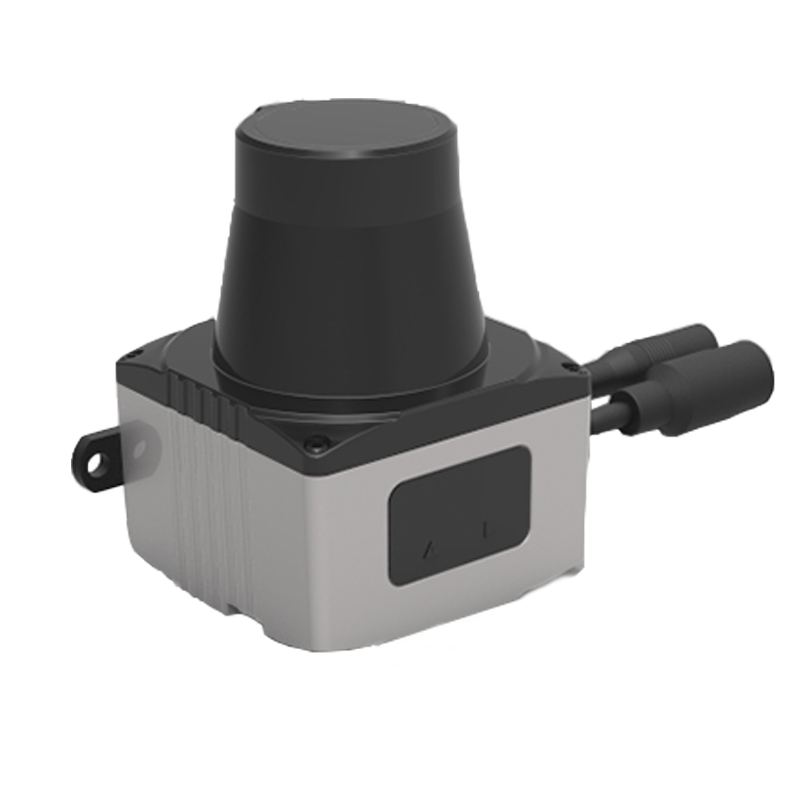
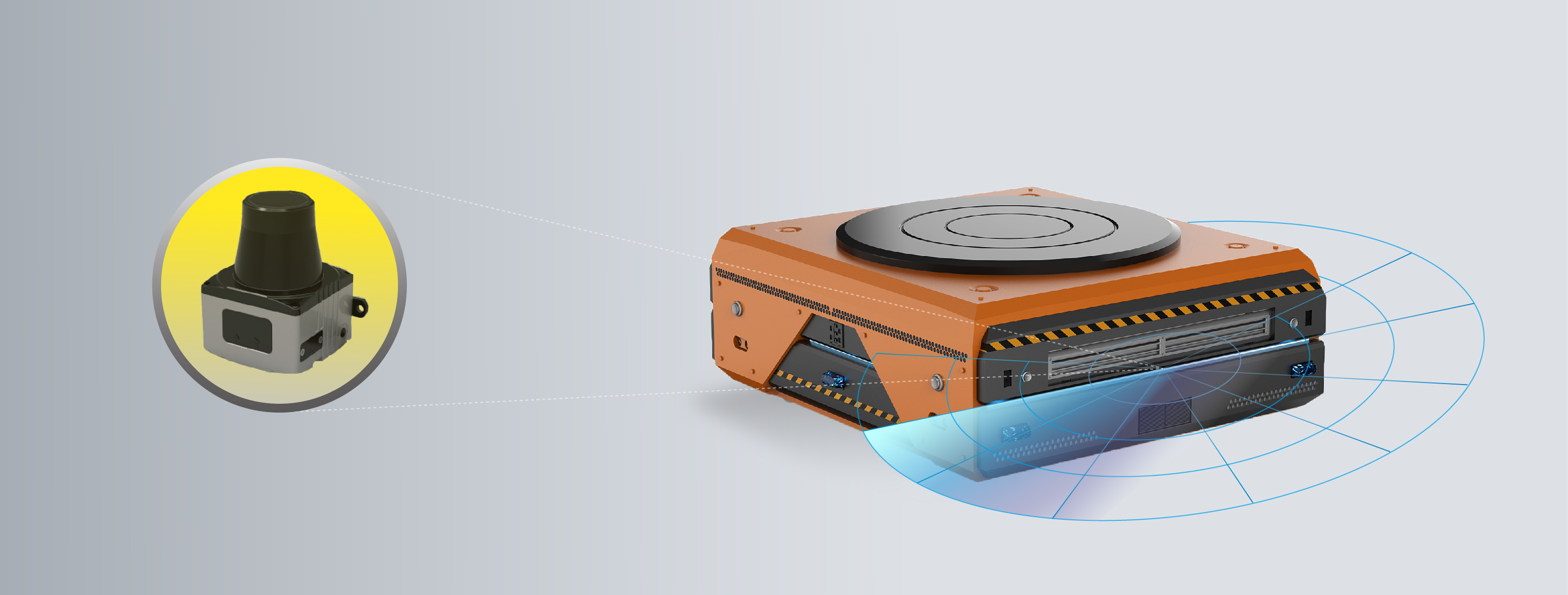
The 360° rotating LiDAR covers the far field; NOVA20 clears the blind spots up close—long range and near field, each doing its job
Highlight 1: A 20-Channel Array Across a 40° Field of View—One Sensor Clears an Entire Near-Field Area
NOVA20 packs 20 detection channels into a 40° field of view (evenly distributed over ±20°), measuring distance at a 10 Hz frame rate with centimeter-level accuracy. Where a single-point solution only registers one sudden change, 20 channels observe distance variations across a whole fan-shaped area at once: when a robot reaches a step edge and readings in one direction suddenly jump, the system can react immediately—delivering more complete near-field information for drop-off prevention and lateral collision avoidance.
Near-field detection is not only about seeing—it is about seeing completely. NOVA20 reaches a 1-meter range on 10%-reflectivity targets under 100 klux ambient light, with a blind zone of no more than 5 cm; from the far end of its range all the way down to 5 cm, distance data streams without interruption—the closer an obstacle gets, the more reliably the readings keep coming, letting robots “stay close and see clearly.”
Highlight 2: Withstands 100 klux, Crosstalk-Free—Reliable Even in Harsh Outdoor Sunlight
Triangulation-based line-laser sensors effectively “go blind” outdoors, but NOVA20 withstands ambient light up to 100 klux—equivalent to direct midday sun. The same near-field safety solution therefore extends from indoor use to inspection, logistics, and outdoor operations: when a robot moves from a warehouse to an open-air loading dock and the lighting changes dramatically within seconds, NOVA20 keeps outputting dependable data instead of erratic readings.
To tackle crosstalk—a long-standing pain point for array LiDARs, in which a strong return “bleeds” into neighboring channels and merges with the real scene—NOVA20 uses time-division multiplexing with channel-by-channel readout, so every echo lands only in its own channel and the true scene is reconstructed as a few clean points. With false signals removed, robots no longer brake or detour for obstacles that do not exist, making the sensor far more trustworthy in tasks that cannot tolerate misjudgment, such as edge-following.
Highlight 3: Bottle-Cap Sized, Under 5 Grams, Under 1 Watt—Distributed Along the Body, Placed Where Needed
Built on a fully solid-state architecture with no moving parts, NOVA20 measures just 25 × 22 × 13 mm (typical)—the size of a beer bottle cap—and weighs less than 5 grams, lighter than a US nickel, with average power consumption below 1 watt. It is small enough to mount on the robot body, or even on arms and legs, for close-range collision protection; its low power draw also means multi-unit deployments add no extra burden to the robot’s thermal budget or stability, while delivering long life and outdoor durability.
NOVA20 outputs no images; it feeds distance data directly to the low-level control system—a shorter chain with lower latency—leaving precious compute for semantic understanding, task planning, and fine manipulation. Just as a robot does not need to recognize a table’s category and shape to know how far its arm is from the corner, NOVA20 works like a ring of non-contact nerve endings just outside the robot’s “skin”: instead of feeling force after a collision, it detects distance changes before contact happens.
This also defines the product’s boundaries clearly: NOVA20 does not replace vision or AI models, nor does it handle fine force control after contact—it provides a lightweight, dedicated distance input. With a UART interface and ROS/Linux/Windows support, OEMs can deploy it flexibly at each risk point: cover the critical positions first, then expand as robot form factors and applications evolve. With its compact size, low power draw, zero compute overhead, and controlled cost, NOVA20 fits directly into the BOM of production robots, supporting high-volume procurement and deployment.
One LiDAR, Three of the Toughest Near-Field Jobs in Robotics
NOVA20 addresses the three most common near-field risks robots face: edge-following, drop-off prevention, and collision avoidance.
Edge-following: at centimeter-level distances from walls, the robot stays close, tracks straight, and never scrapes. Drop-off prevention: its beams keep watching the ground ahead, and 20 points form a surface that reads edges and drop-offs in advance—rather than waiting for a single-point sensor to register a sudden change. Collision avoidance: beams cover obstacles ahead, raising an alert and stopping on approach—protection before contact.
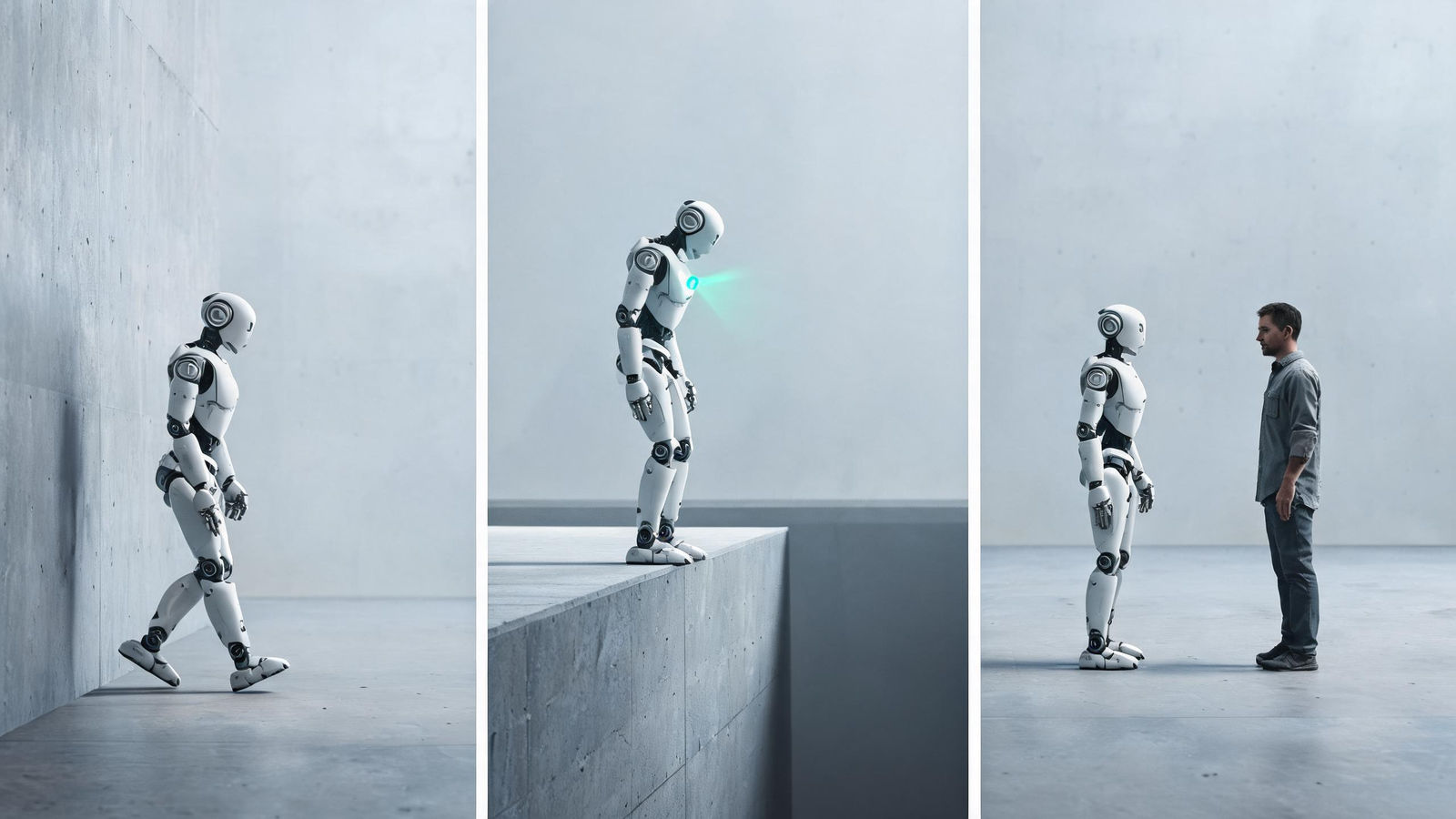
Edge-following, drop-off prevention, collision avoidance: the three core near-field safety capabilities NOVA20 supports
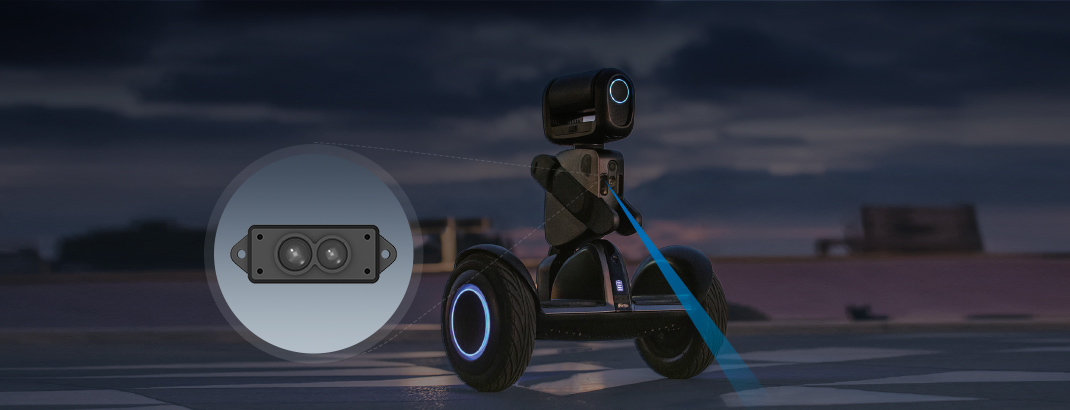
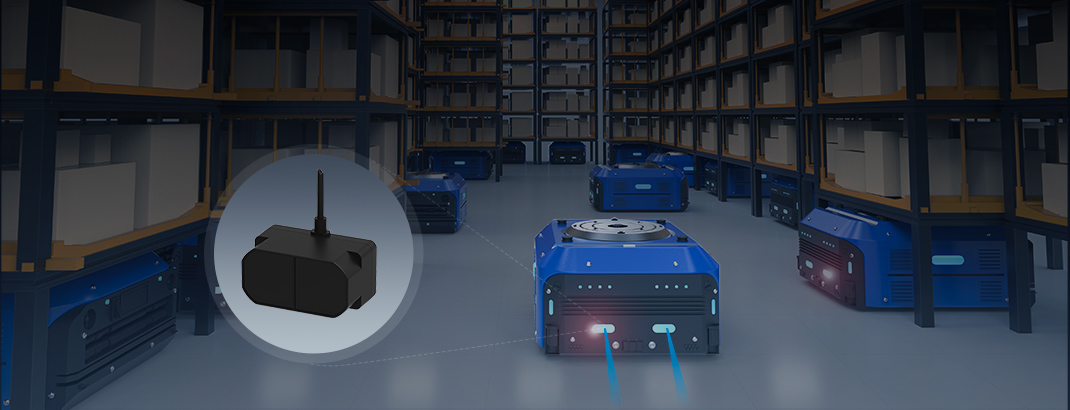
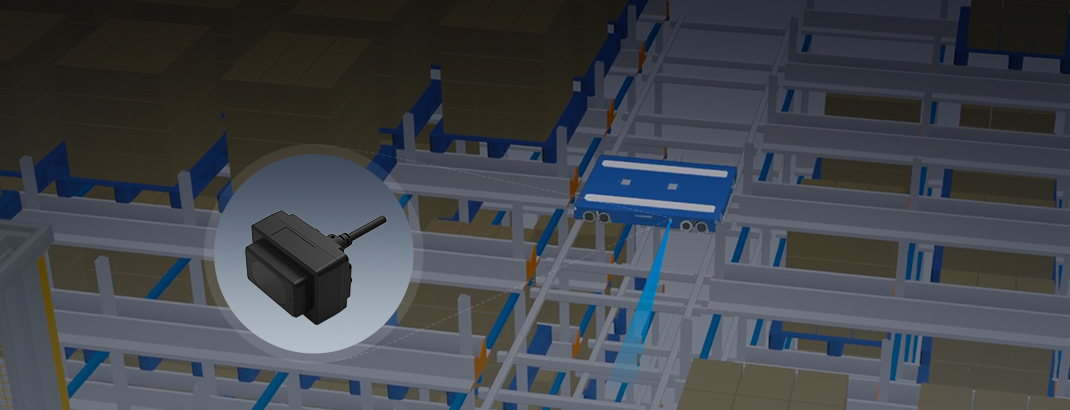
For mounting positions, NOVA20 is designed for placement where needed: the chest, wrists, and ankles of humanoids; the chin and feet of quadrupeds; the four corners of mobile bases—wherever a blind spot exists, a unit can be mounted—forming a ring of perception around the robot without stacking large, expensive sensors across the body. The near-field blind spots of embodied-AI robots are exactly what NOVA20 was built to cover.
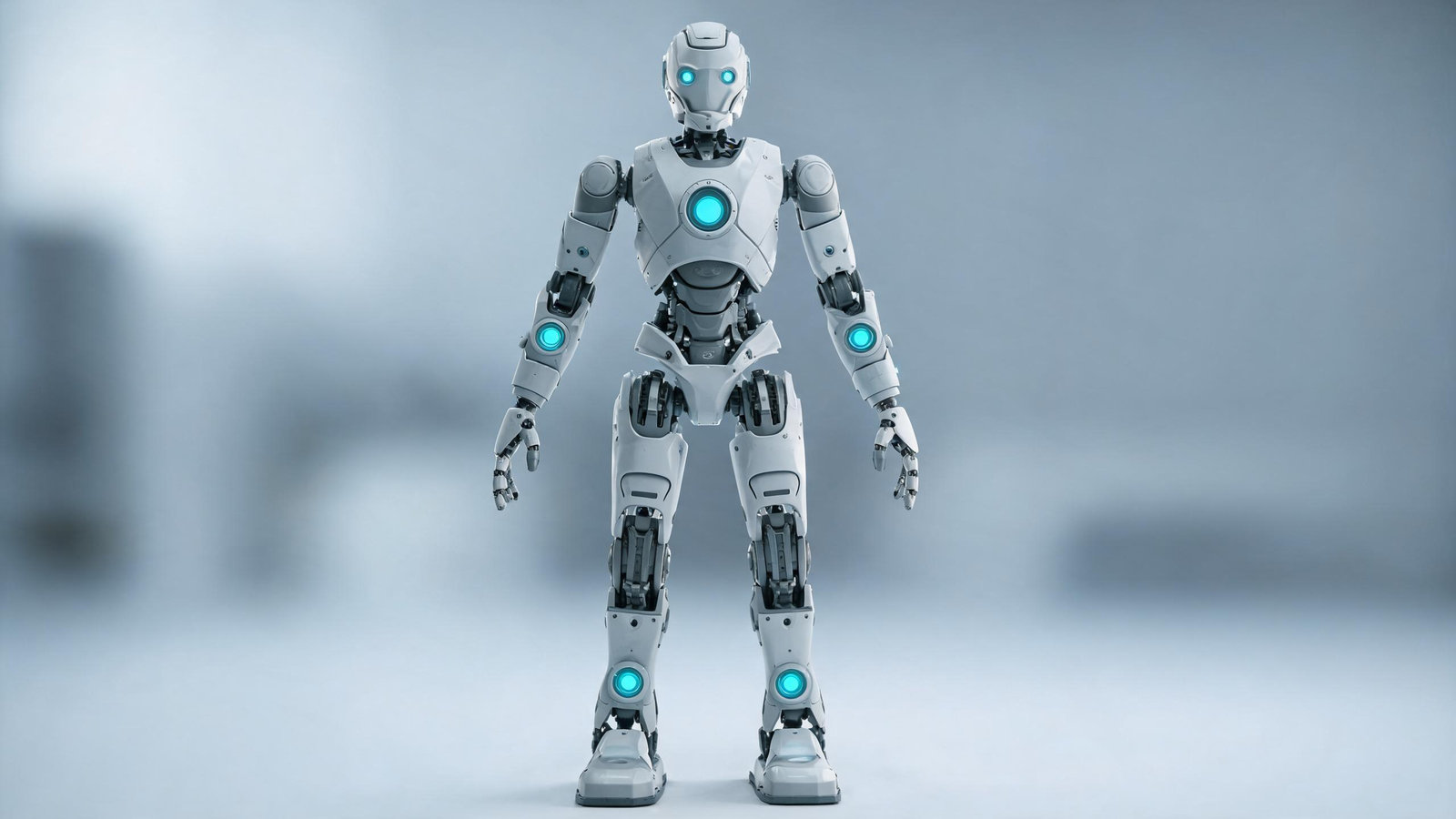
Chest, wrists, ankles, chassis corners—wherever there is a blind spot, that is where it goes
(Specific mounting positions, detection performance, and control strategies should be validated against each robot’s structure and actual operating environment.)
| Item | Specification |
|---|---|
| Channel count | 20 |
| Field of view | 40° (evenly distributed over ±20°) |
| Detection range | 1 m @ 10% reflectivity, 100 klux |
| Ranging accuracy | ≤3 cm (1σ) |
| Frame rate | 10 Hz |
| Blind zone (min. detection range) | ≤0.05 m |
| Average power | <1 W |
| Weight | <5 g |
| Dimensions | 25 × 21 × 14 mm (typical) |
| Light source | 905 nm VCSEL · Class 1 (eye-safe) |
| Operating temperature | –20 °C to 55 °C |
| Interface | UART (ROS / Linux / Windows supported) |
About Benewake
Founded in 2015, Benewake is a LiDAR company dedicated to robotic and physical-world AI perception. With full-stack capabilities spanning optics, mechanics, electronics, software, algorithms, and chips, the company has built an “Eyes of Robots” product portfolio covering all scenarios, and is committed to building the perception infrastructure for the era of Physical AI.
Solid-state LiDAR is the core of Benewake’s technology foundation: from CE30, its first-generation fully solid-state flash LiDAR in 2017, to the NOVA solid-state narrow-angle line LiDAR in 2024, and now the NOVA20 fully solid-state near-field multi-point LiDAR—three generations over nine years of continuous evolution, laying a safe and reliable perception foundation for Physical AI.