














Headquarters:3rd Floor, Haiguo Jiaye Sci-Tech Park, Haidian District, Beijing, China

We use cookies to enhance your browsing experience and serve personalized content.
Reject ALL
Accept ALL


2026-11-17
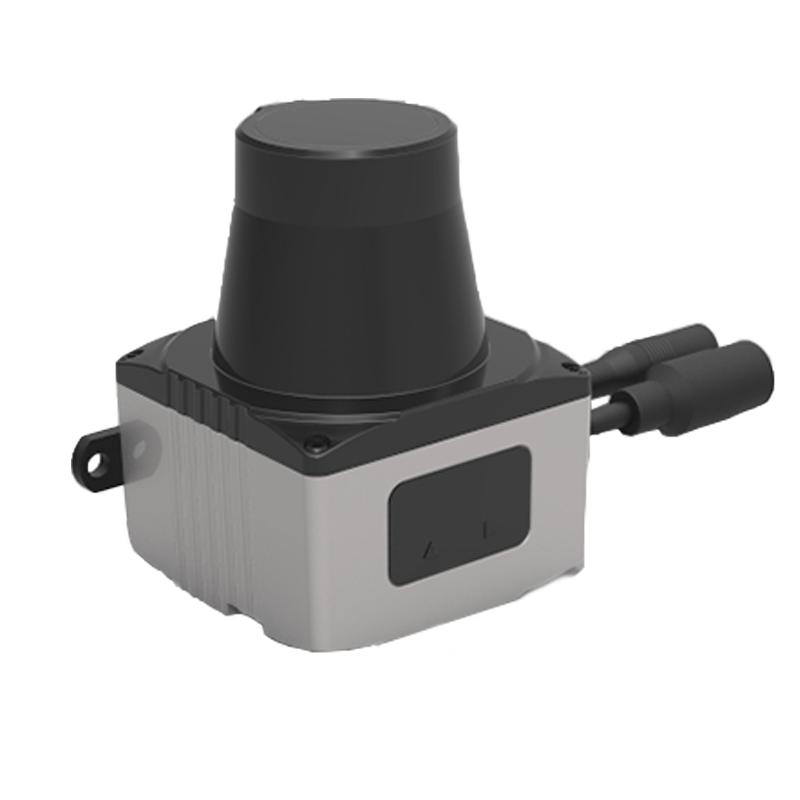
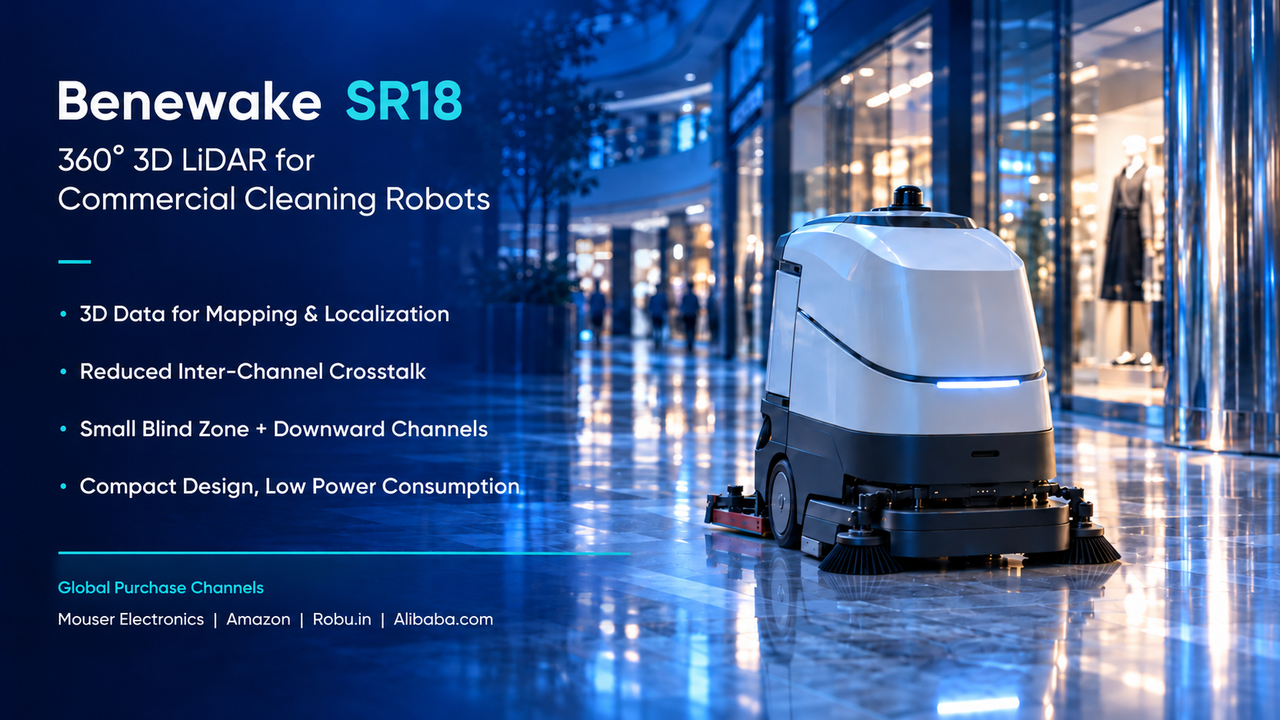
The compact 18-channel, 360° 3D LiDAR captures spatial information at multiple heights to support localization and SLAM, as well as obstacle detection, in commercial cleaning applications.
A commercial cleaning robot may follow the same route each day, but obstacles along that route can change. A shopping bag beside a bench or a box near a retail display may sit below the robot’s horizontal scan plane. Repeated storefronts and similar corridor layouts can also make it harder for the navigation system to distinguish one location from another.
Meeting these challenges requires spatial information beyond a single horizontal scan. Benewake’s SR18 captures geometry at multiple heights, providing data for mapping, localization and obstacle detection. The 18-channel, 360° 3D LiDAR combines downward-angled sensing channels with an architecture designed to reduce inter-channel crosstalk, addressing perception requirements in commercial cleaning robots.
Capturing Structures and Obstacles at Different Heights
A conventional 2D LiDAR measures distances along a single scan plane. Objects and structural features outside that plane may not appear in the scan.
The SR18 provides 360° horizontal coverage and a vertical field of view from −8° to +40°. Along corridors and around retail displays, it captures portions of surrounding structures above and below the horizontal plane. Where these structures differ, the additional geometry can help localization algorithms distinguish otherwise similar sections of a route.
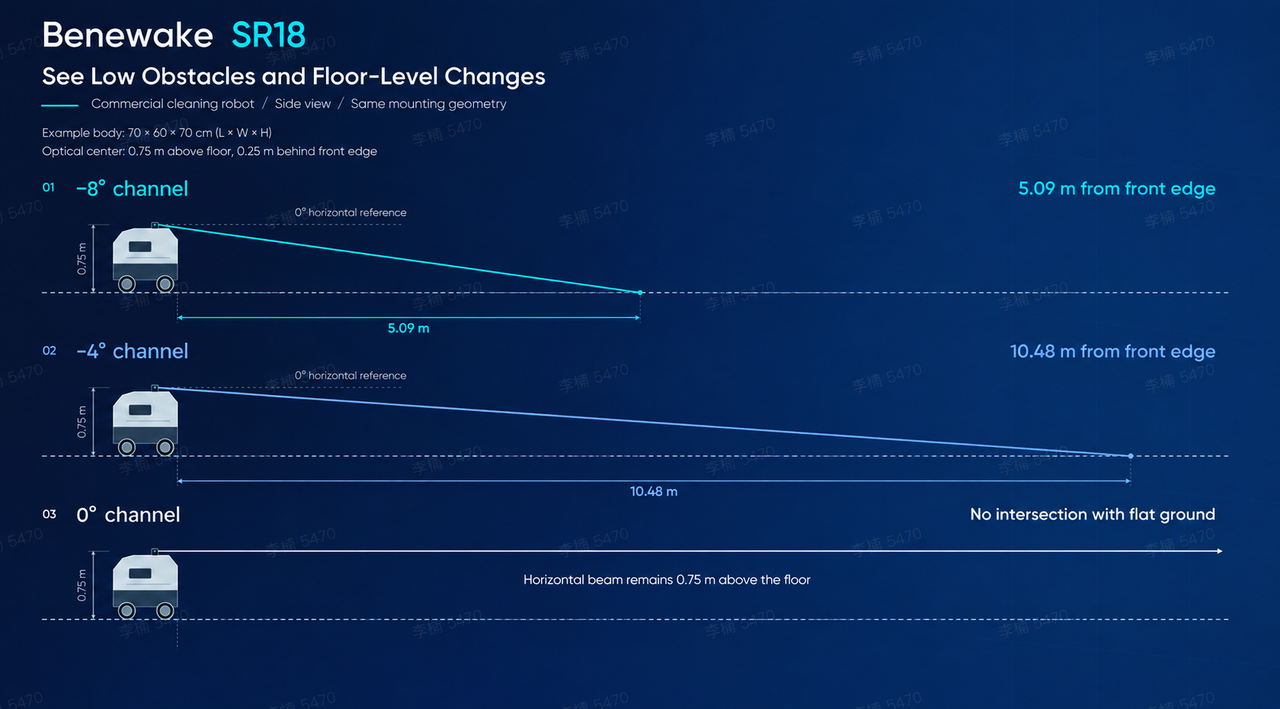
Downward-angled channels also extend sensing toward the floor area close to the robot body, enabling the detection of shopping bags and boxes left in public walkways.
The SR18 measures targets as close as 15 cm within its field of view and reaches up to 30 m at 10% reflectivity, supporting perception across larger indoor spaces.
Maintaining Clearer Object Contours Around Strong Reflectors
Reflective signage and metal fixtures can generate strong laser returns. In some multi-channel LiDAR architectures, a return associated with one channel can affect measurements in another, introducing spurious points or distorting object contours.
The SR18 uses Benewake’s proprietary integrated transmitter-receiver architecture, pairing each laser emitter with a dedicated photodetector to help reduce inter-channel crosstalk. This helps preserve object contours around strong reflective targets, providing more consistent geometric data for mapping and localization.
Integrating 3D LiDAR into a Cleaning Robot
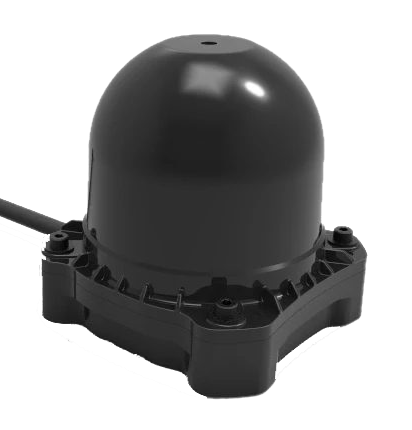
Sensor placement must balance visibility with the space available around cleaning hardware and other components. The SR18 has a body diameter of 53.5 mm and a base diameter of 71.8 mm, with an overall height of 64 mm. It weighs 190 g and consumes no more than 5 W on average.
For system integration, the sensor provides an RS485 data interface and a ROS driver. It also features an IP66-rated enclosure, an operating temperature range of −20°C to +60°C and Class 1 eye-safe laser operation.
Firmware update support allows manufacturers to maintain deployed sensors through their own service and connectivity workflows, reducing the need for on-site firmware servicing across multiple facilities.
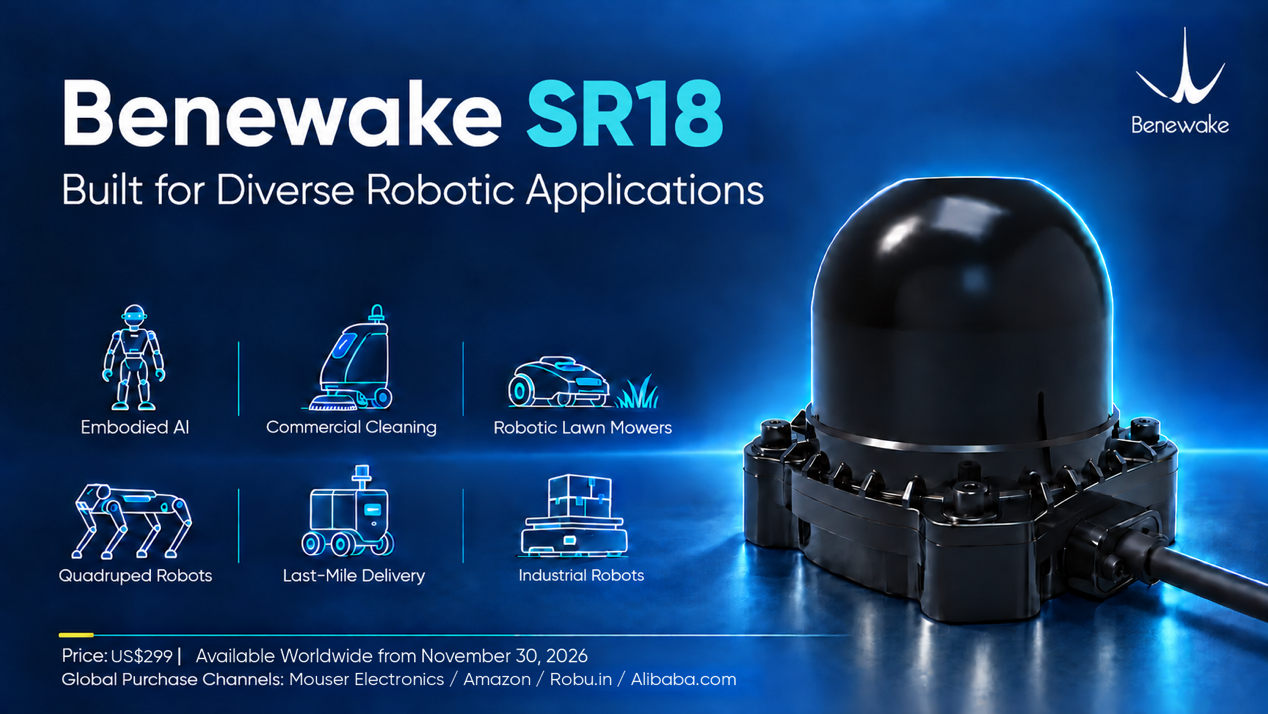
The SR18 is in mass production and will be available worldwide starting November 30, 2026. Robot manufacturers can contact Benewake for integration guidance and information on evaluation units.
About Benewake
Founded in 2015, Benewake is a provider of AI-native perception solutions for the physical AI era, with a mission to create the eyes that enable intelligent machines to perceive and understand the world. Guided by a model-defined hardware approach, the company continues to expand the capabilities of intelligent perception.
Drawing on full-stack expertise spanning optics, mechanical engineering, electronics, software, algorithms, and chip design, Benewake has built a comprehensive portfolio of “eyes for robots” across diverse applications. The company serves customers in more than 90 countries and regions, including major markets in Europe, North America, and Asia-Pacific, supported by a global network spanning R&D, manufacturing, sales, and engineering services.