














Headquarters:3rd Floor, Haiguo Jiaye Sci-Tech Park, Haidian District, Beijing, China

We use cookies to enhance your browsing experience and serve personalized content.
Reject ALL
Accept ALL


2026-11-25
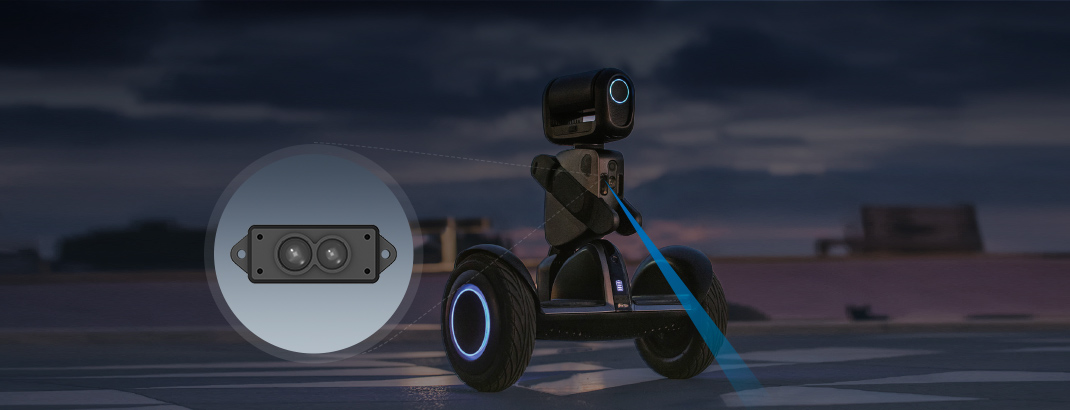
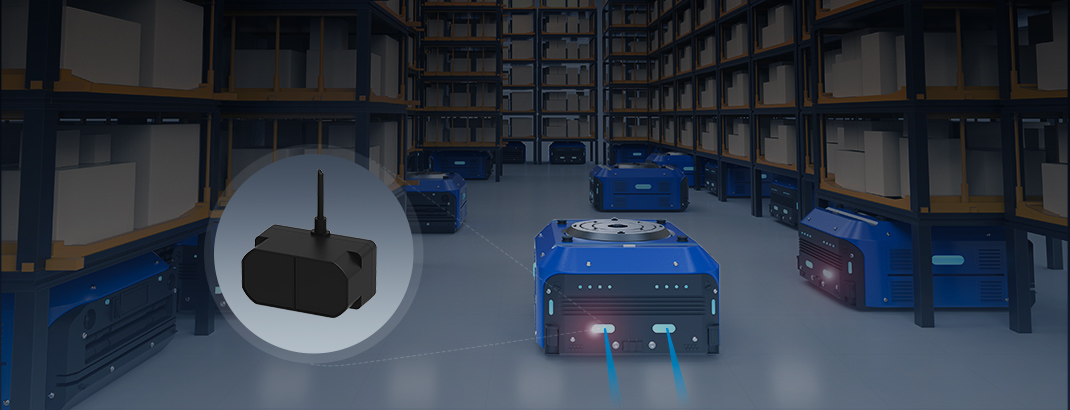
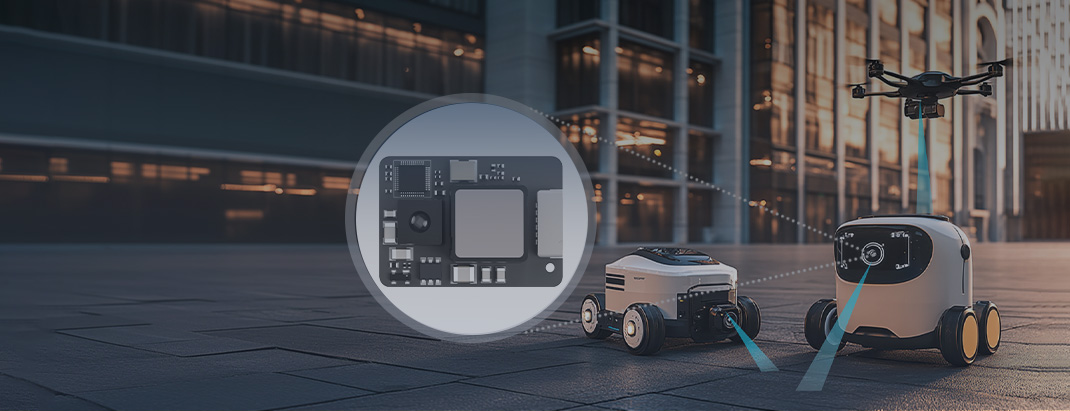
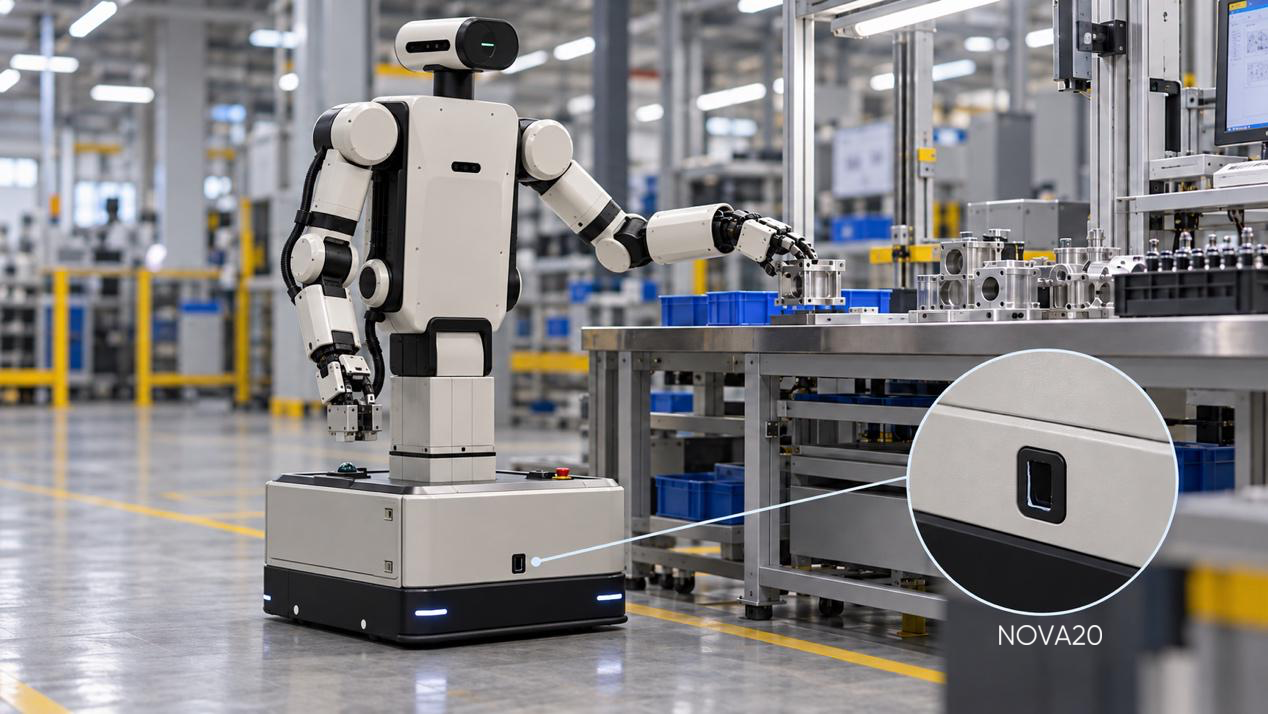
Benewake's NOVA20 solid-state line-array LiDAR is now used in wheeled humanoid robots designed for quality inspection on factory floors. Mounted on the wheeled base, the NOVA20 supplements the primary LiDAR by detecting nearby obstacles. Its distance readings help the robot's controller determine when to slow down or stop as the robot moves between workstations and maneuvers into position.
From factory aisles to inspection stations
A wheeled humanoid robot can travel between workstations and use its arms to perform inspection tasks. This allows a single robot to serve different stations as production needs change.
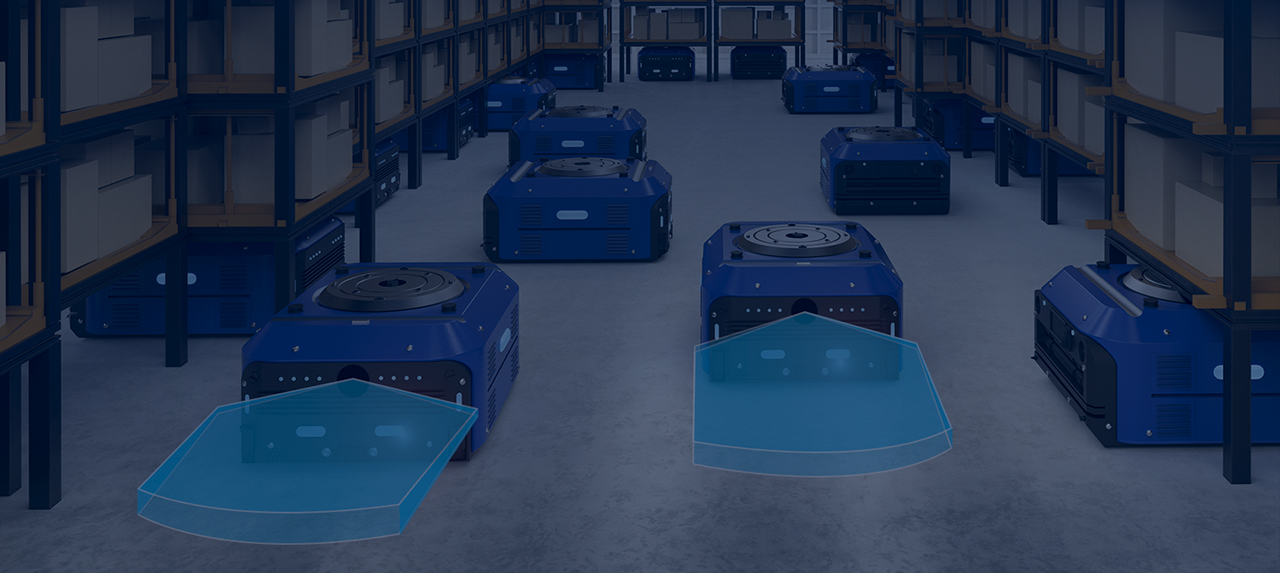
In an aisle, the robot may need to give way to workers or carts. At a workstation, the challenge is clearance: a workbench leg, the base of a machine or a parts bin left on the floor can lie in the path of the robot's base as it turns into position.
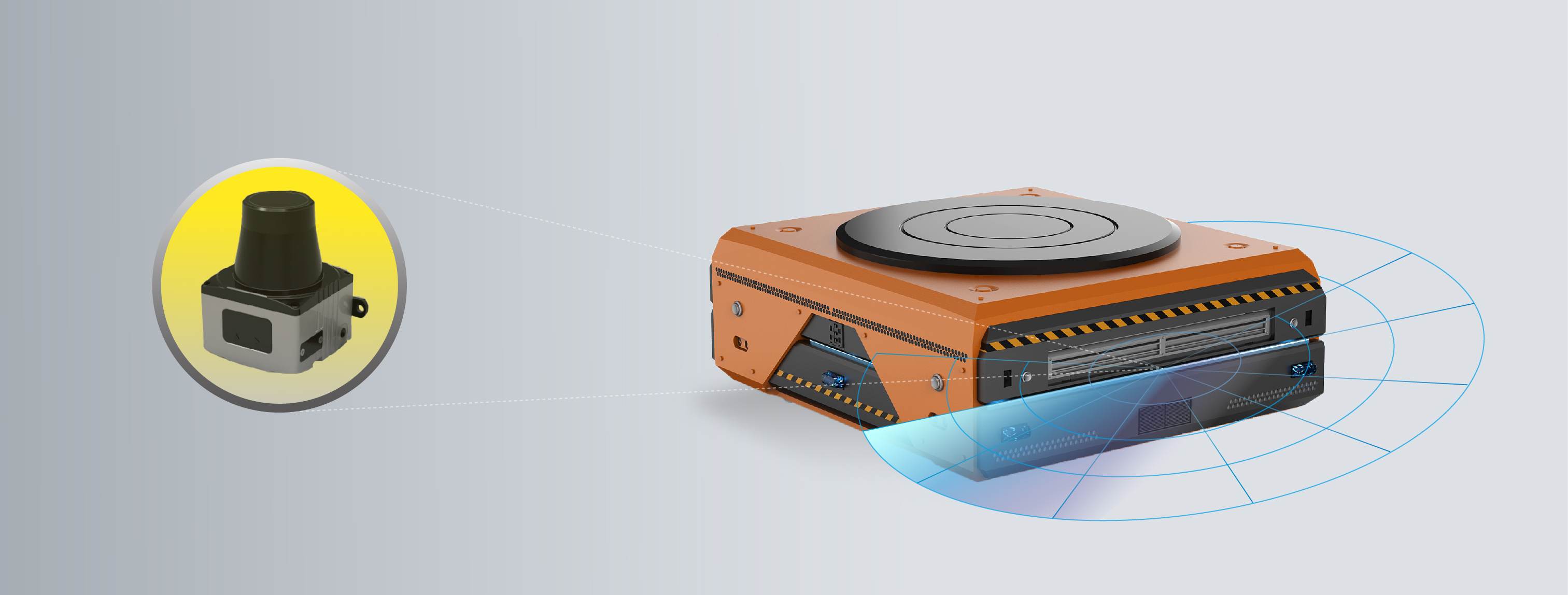
The primary LiDAR's mounting height and field of view affect how well it can detect these obstacles. The robot's own chassis can also block some of its beams, leaving blind spots close to the base. Distance measurements from these areas help the controller determine whether the robot has room to turn or move closer to the workstation.
Detecting obstacles close to the base
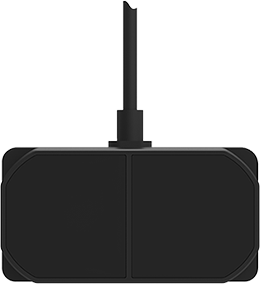
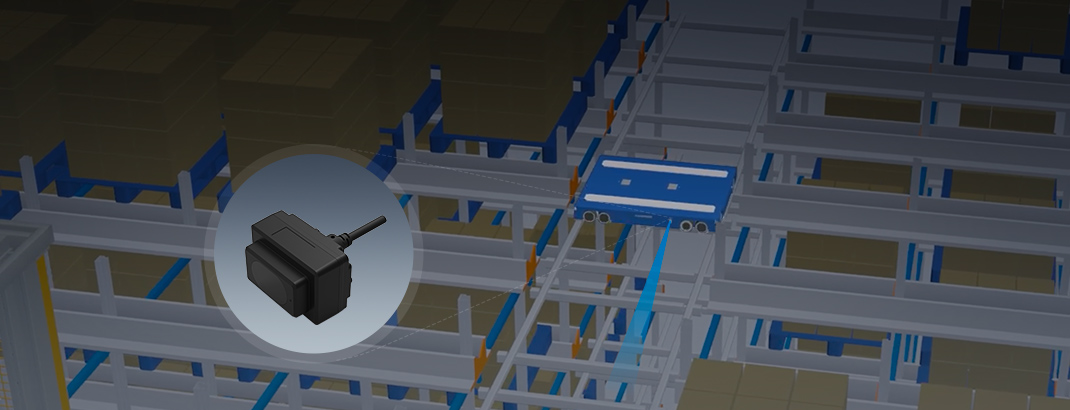
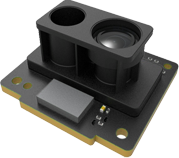
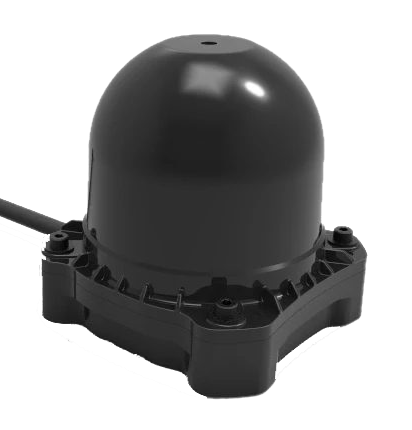
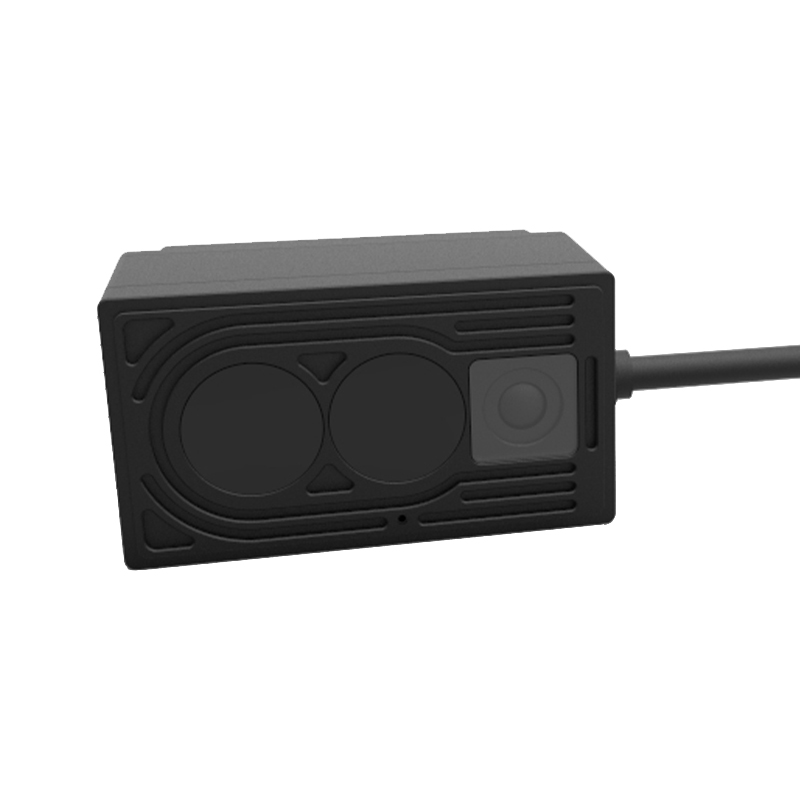
Benewake developed the NOVA20 to address close-range blind spots in mobile robots and other embodied AI systems. The fully solid-state sensor measures distance in 20 directions across a field of view of approximately 40°, with a maximum range of 3 meters. Each channel provides a separate distance reading, which the controller can use to determine whether the robot needs to slow down or stop.
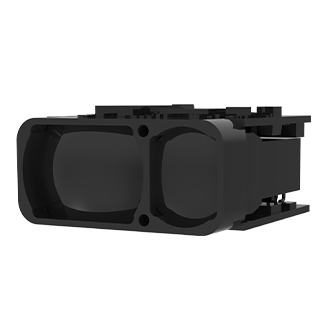
Space is also a consideration when adding sensors to a mobile base that already houses drive components, batteries and control electronics. About the size of a beer bottle cap, the NOVA20 weighs approximately 3 grams and draws less than 1 watt on average, making it practical to install where space is limited.
Positioning the robot for inspection
Even with a clear route to the workstation, the robot still needs room to turn and bring the part within reach of its arms. During that final maneuver, the controller can use the NOVA20's readings to check for obstacles close to the base that the primary LiDAR may miss.
Founded in 2015, Benewake provides AI-native perception solutions for the physical AI era. Its mission is to create the eyes that enable intelligent machines to perceive and understand the world. Guided by a model-defined hardware approach, the company continues to expand what robots can sense.