














Headquarters:3rd Floor, Haiguo Jiaye Sci-Tech Park, Haidian District, Beijing, China

We use cookies to enhance your browsing experience and serve personalized content.
Reject ALL
Accept ALL


2026-06-03
In the emerging world of food delivery drone sensor technology, ensuring food safety throughout the delivery process is essential. At Benewake, we believe that unmanned aerial delivery has the potential to reshape how perishable goods reach customers, but only if safety and reliability are built into every flight. Central to this effort are advanced sensors that maintain stability, avoid obstacles, and monitor the environment around delivery drones.
The Role of Sensors in Food Delivery Drones
Drones used for food delivery must navigate complex urban and rural environments while protecting the condition of the food they carry. To do this effectively, they rely on precise sensing systems that provide real-time data about their surroundings. Food delivery drone sensor systems detect obstacles, measure distance, track movement, and help maintain safe flight paths in crowded airspace. These capabilities are essential for minimizing delays, reducing the risk of accidents, and preserving the quality of food, particularly temperature-sensitive items.
At Benewake, our focus is on integrating reliable sensing systems into drone platforms so that operators can trust their flights from takeoff to landing. By equipping drones with responsive and accurate sensors, food delivery services can better protect the integrity of their deliveries.
How Benewake LiDAR Enhances Reliability
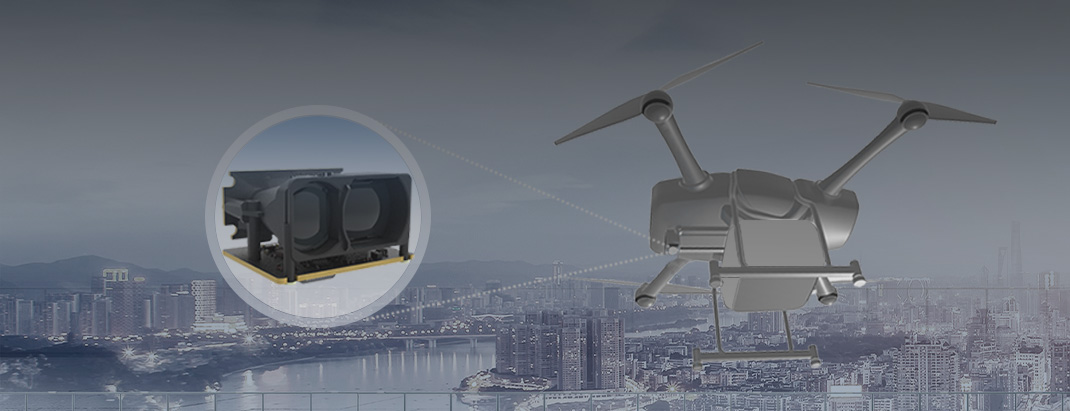
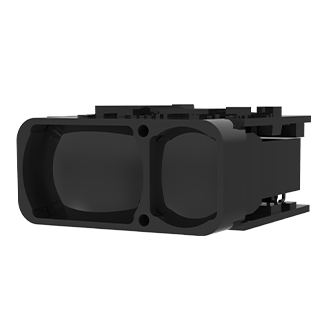
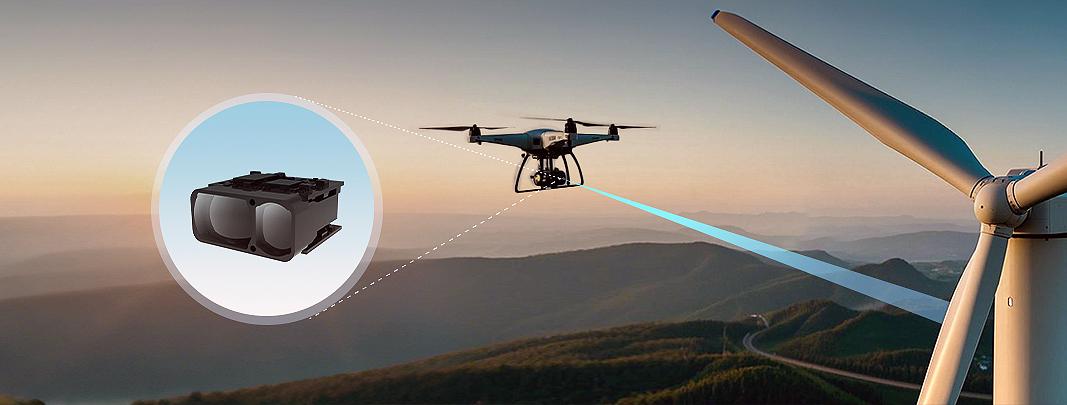
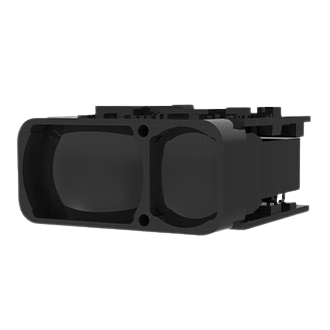
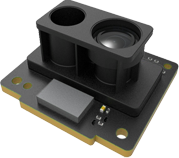
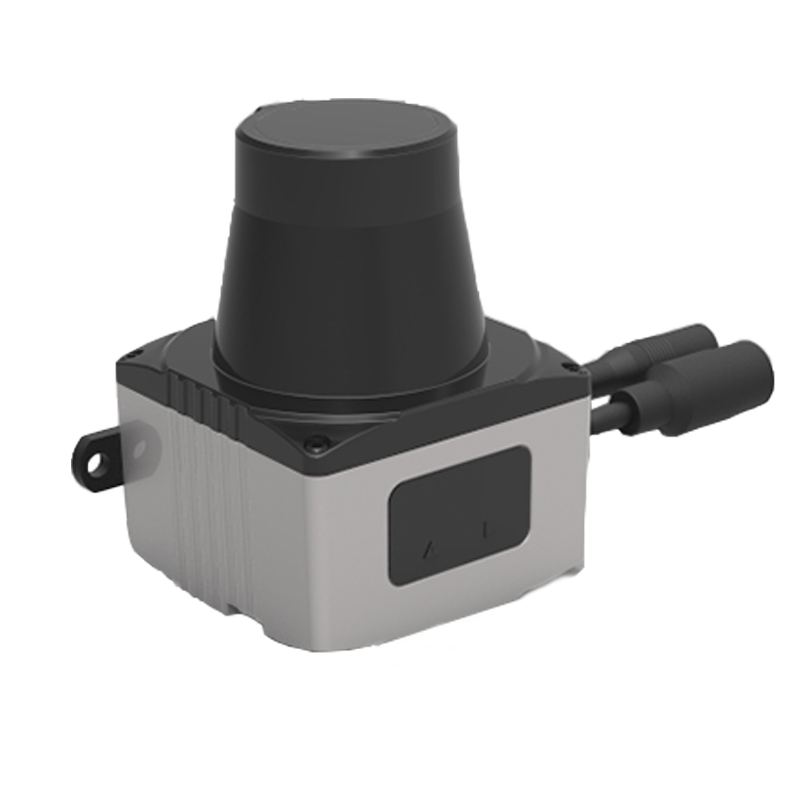
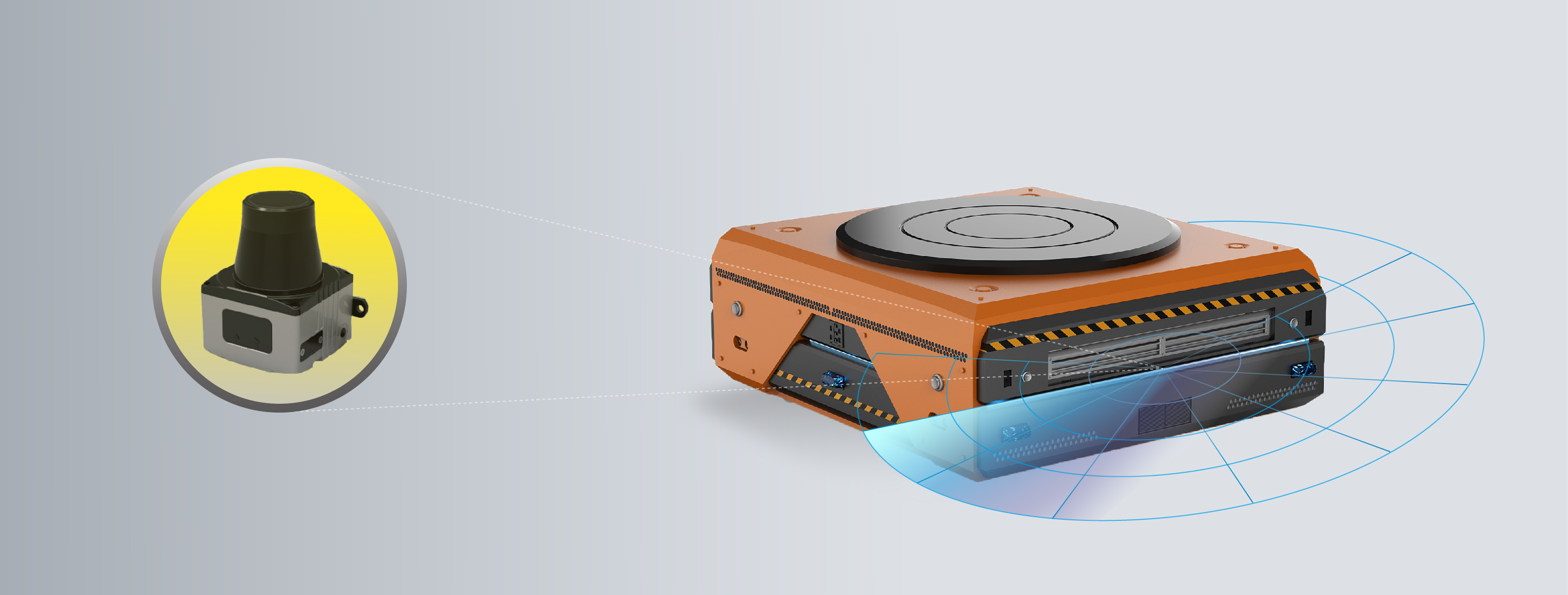
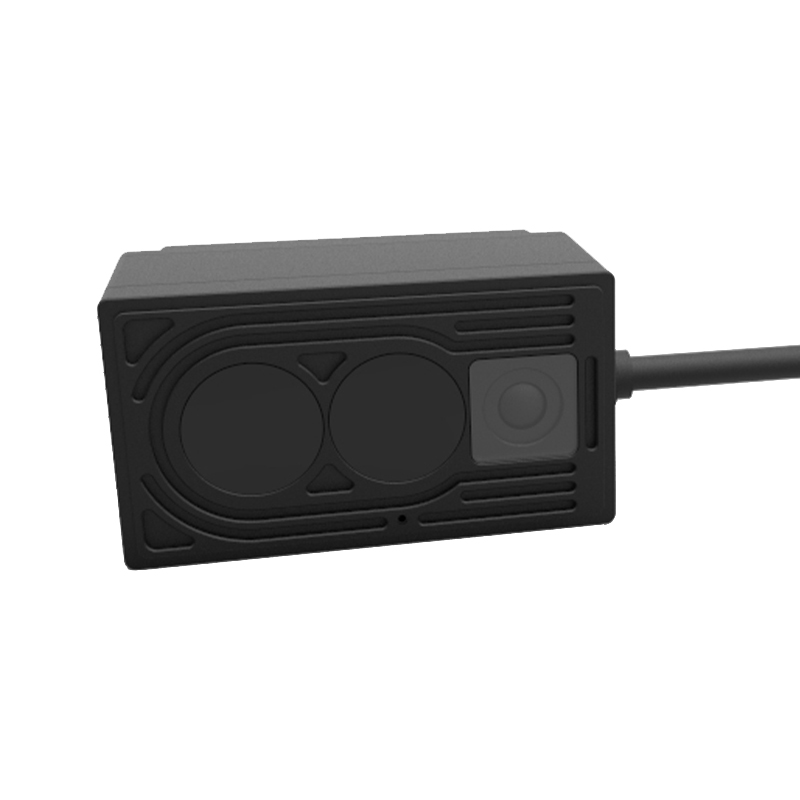
A key component in advanced drone sensor suites is Benewake lidar. Unlike conventional sensors, lidar emits laser pulses and measures the time it takes for them to bounce back, creating detailed three-dimensional maps of the environment. This allows drones to recognize and respond to obstacles with higher precision than many other sensing technologies.
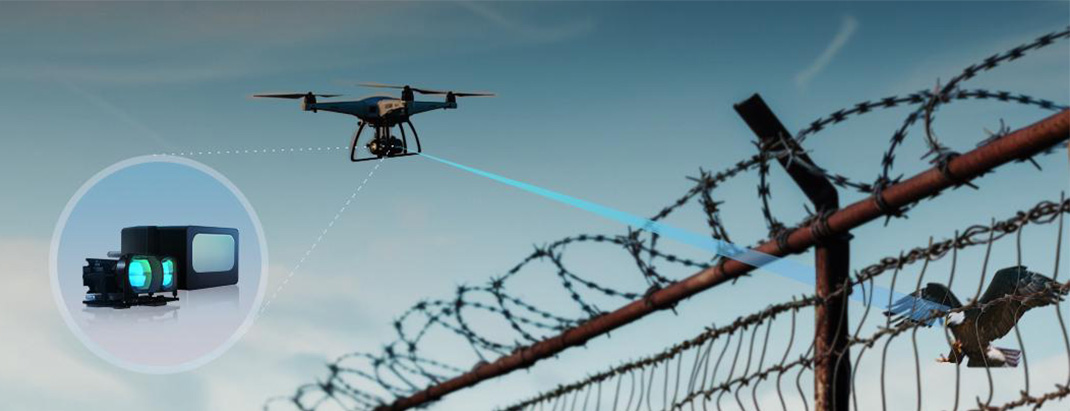
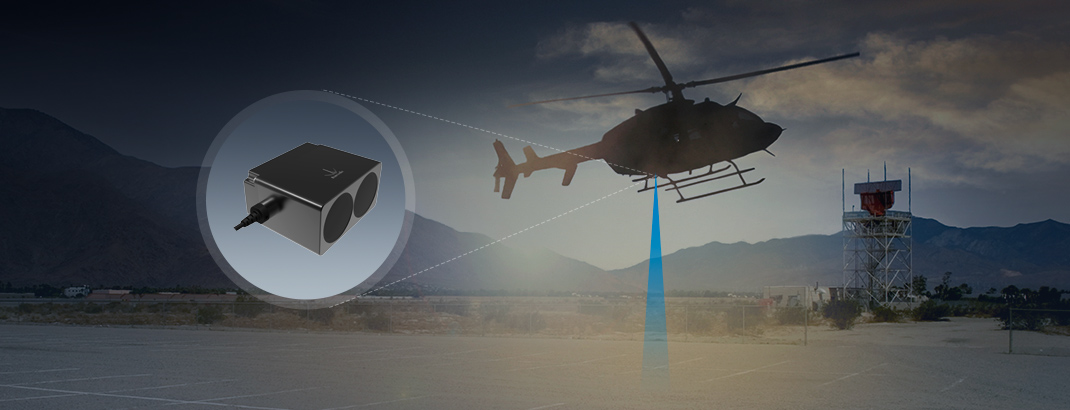
For food delivery drones, the benefits of lidar are significant. Enhanced obstacle detection in dynamic environments, such as city streets or near outdoor seating areas, improves flight safety. Lidar provides accurate altitude and positioning data for safer package drops even in confined spaces. It also helps drones navigate around unexpected obstacles like birds, power lines, or construction cranes. With Benewake lidar, drones gain a more complete understanding of their flight space, leading to smoother and more dependable operations. This level of awareness helps reduce abrupt movements that could disrupt the food inside the delivery compartment.
Maintaining Food Quality in Transit
Beyond navigation, sensors play a role in monitoring the delivery environment itself. While Benewake specializes in sensing technologies that support navigation and collision avoidance, integrating these systems with environmental monitoring units, such as temperature or humidity sensors, helps preserve food quality. Combined sensor feedback enables delivery operators to make informed decisions, like selecting optimal flight routes that avoid turbulence or high-heat zones that could affect sensitive items.
A reliable sensor network also contributes to efficient route planning and accurate delivery timing. When drones avoid unnecessary detours or delays, food arrives fresher and within expected temperature ranges. This benefits customers and builds trust in drone delivery services as a dependable option for everything from restaurant meals to medical food supplies.
Conclusion
The success of food delivery via drones depends on more than speed; it relies on safety, stability, and environmental awareness. Sensors that support flight control and navigation are foundational to this success. Benewake lidar and other sensing technologies help ensure that drones operate with precision, avoid obstacles, and handle the diverse conditions encountered in real-world delivery scenarios.
By prioritizing robust sensor integration, food delivery services can reduce risk, improve consistency, and deliver temperature-sensitive meals with confidence. Contact Benewake today to learn more about integrating reliable sensors into your drone delivery operations.